

Getting Useful Feedback on a Miniature You Just Painted
4 min read
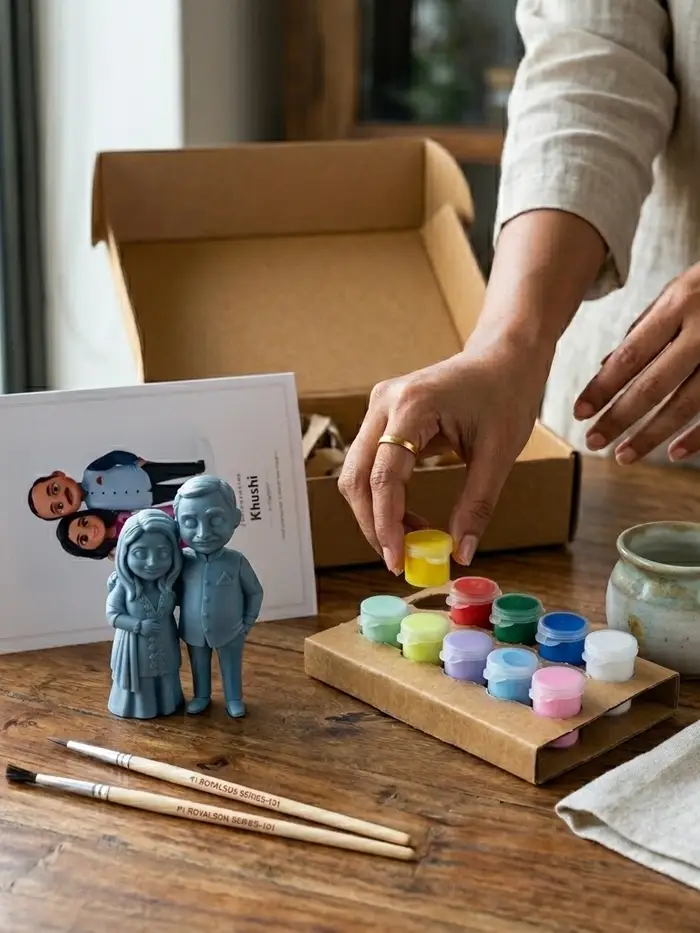
You finish painting a figurine, set the brush down, and want to know one thing: did it actually work? Family will tell you it's lovely regardless of what happened to the shading on the shirt. That's kind of them, but it doesn't answer what you're actually asking.
Painting a figurine at home is usually a one-off thing: a gift for an anniversary, a parent's birthday, something you're doing with a partner on a weekend, not the fortieth piece in an ongoing hobby. So you don't need a whole community built around this the way tabletop wargamers do (real ones exist, like the miniature-painting side of Reddit, mostly organised around army painting and competitions). What you actually need is two or three people who'll look closely, not just say it's nice.
"Does this look good" gets you "yes" almost every time, true or not. A narrower question gets a useful answer.
A photo in the family group chat is genuinely the right amount of feedback for one figurine, for most people. If you want a more technical read, community forums for miniature painting do exist, and people there will critique brushwork in real detail. Just know most of them are built around tabletop army painting rather than a single keepsake piece, so the feedback can run more technical than you're actually looking for. An Instagram close-friends story, or texting one photo to a friend who paints, usually gets you closer to what you actually want to know.
There's a shortcut around most of this: paint it with the person it's for, or with someone else entirely, and you get a reaction to every layer instead of a verdict on the finished piece. We've written more on how to actually split the work in our date night painting ideas piece, if that's the setup you're in. It's also a good part of why our own kits are built with two people in mind: the finished figurine matters, but the running commentary while you're getting there is most of the fun of it.
No. Community forums exist and are useful if you want a technical critique, but they're mostly built around ongoing tabletop hobby painting, not a single keepsake figure. Two or three people who look closely usually tell you what you need to know about one piece.
Lighting, almost always. Photograph it in daylight or under a white bulb rather than a warm yellow one; colours, especially skin tones and darker shades, genuinely shift under warm indoor light, which throws off both your own judgement and anyone you're showing it to.
Something specific: whether the skin tone looks even, whether the eyes sit where they should, whether a colour reads as intended next to the reference photo. "What do you think" almost always gets a polite yes, useful or not.
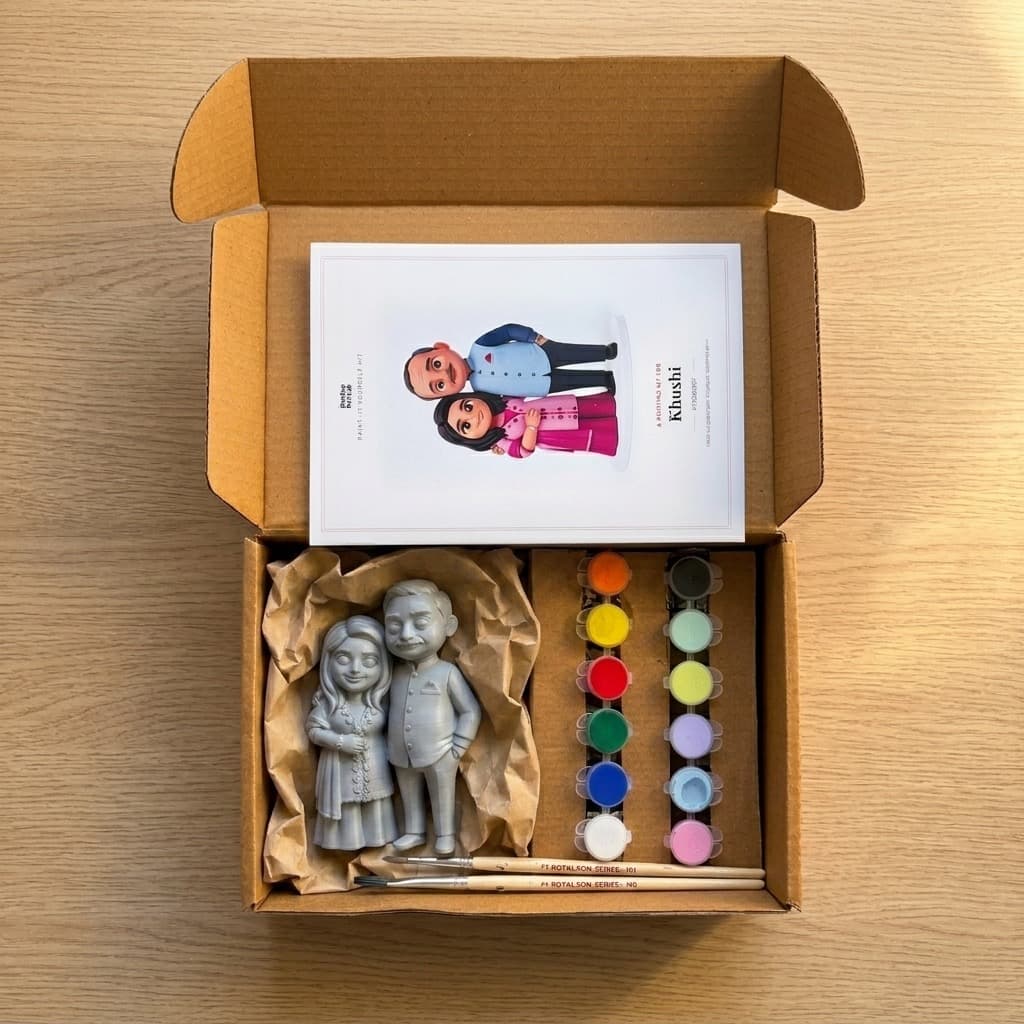
Painting & Together-Time
A wrong colour or a smudged line on a half-painted figurine feels final. It almost never is. Here's how to actually rescue it.
4 min read
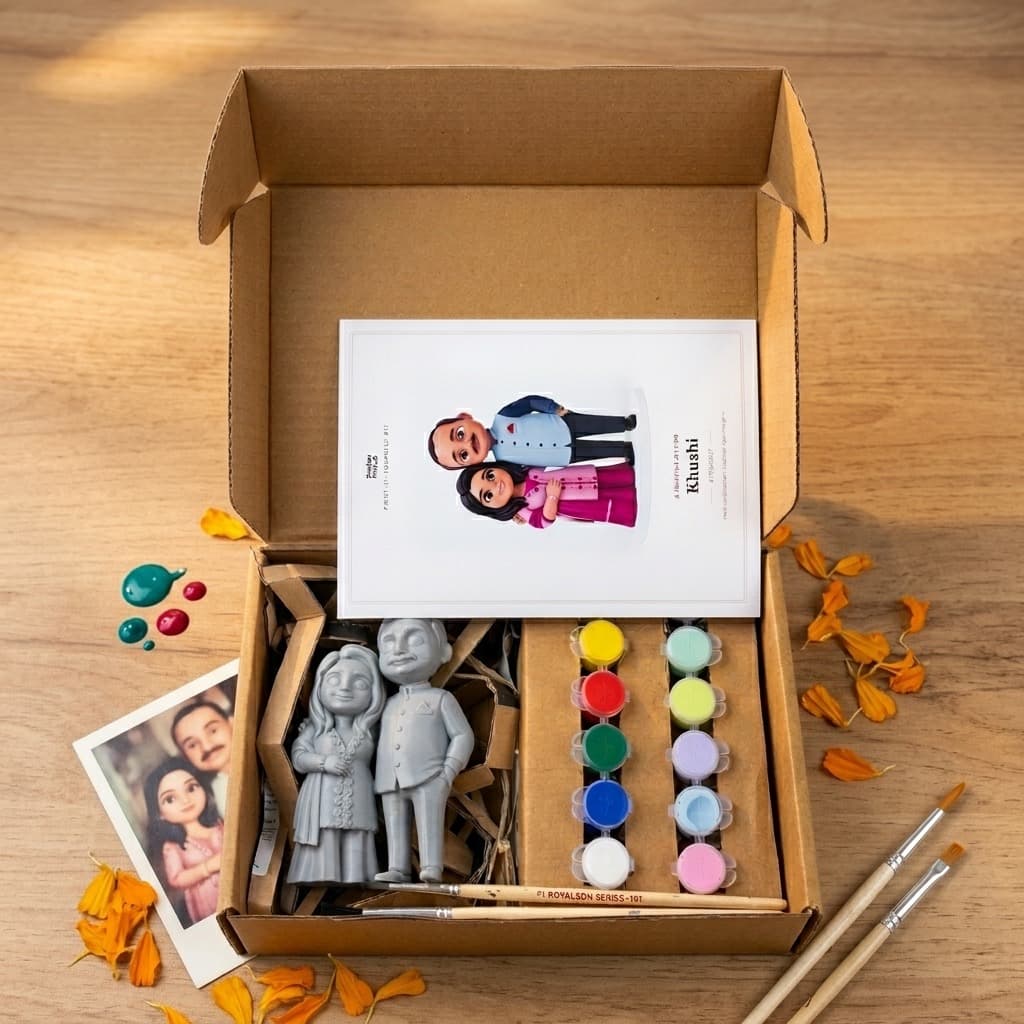
Painting & Together-Time
A kit gives you paint and brushes. Here's the short, cheap list of everyday things you'll also want on the table before you start.
4 min read
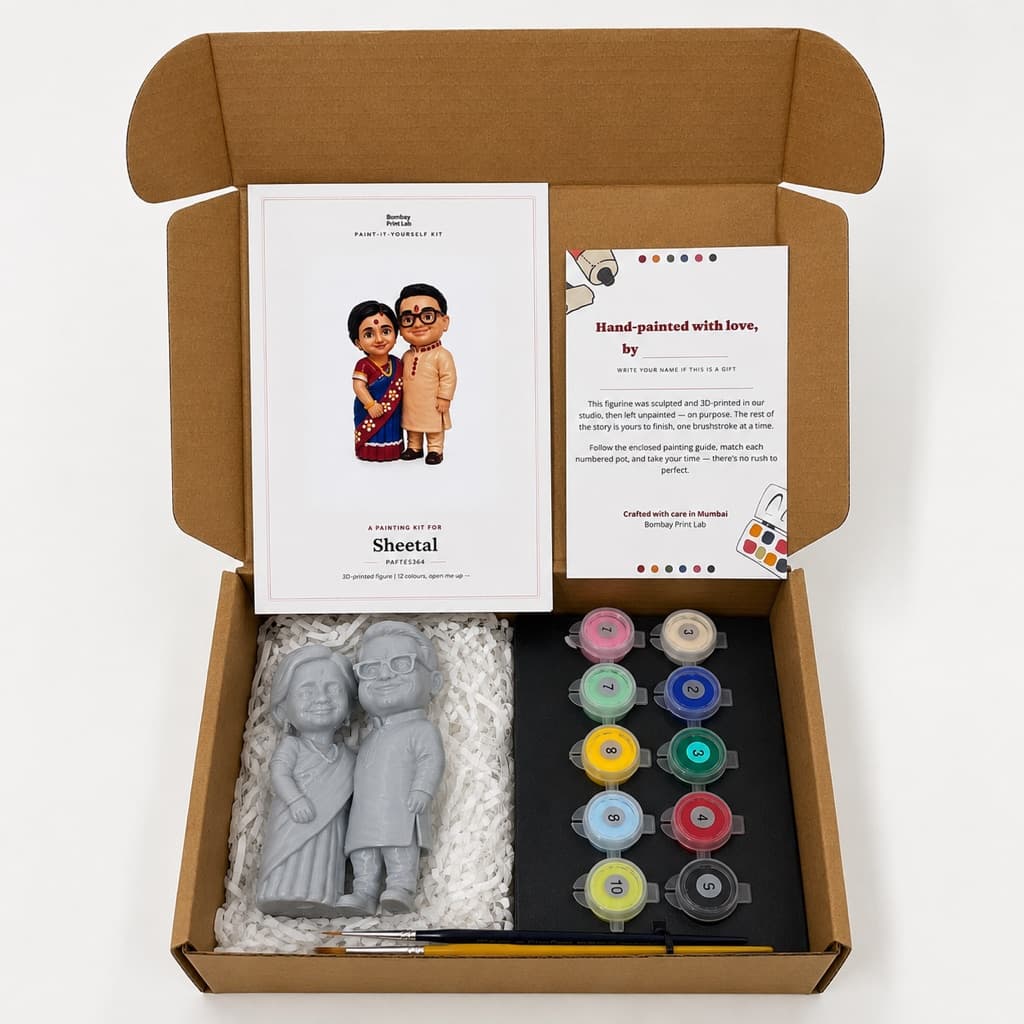
Painting & Together-Time
The parts nobody mentions beforehand: how long it really takes, what goes wrong halfway through, and why the crooked bits end up mattering.
4 min read