

The Few Tools You Actually Need to Paint a Miniature, Beyond the Kit
4 min read
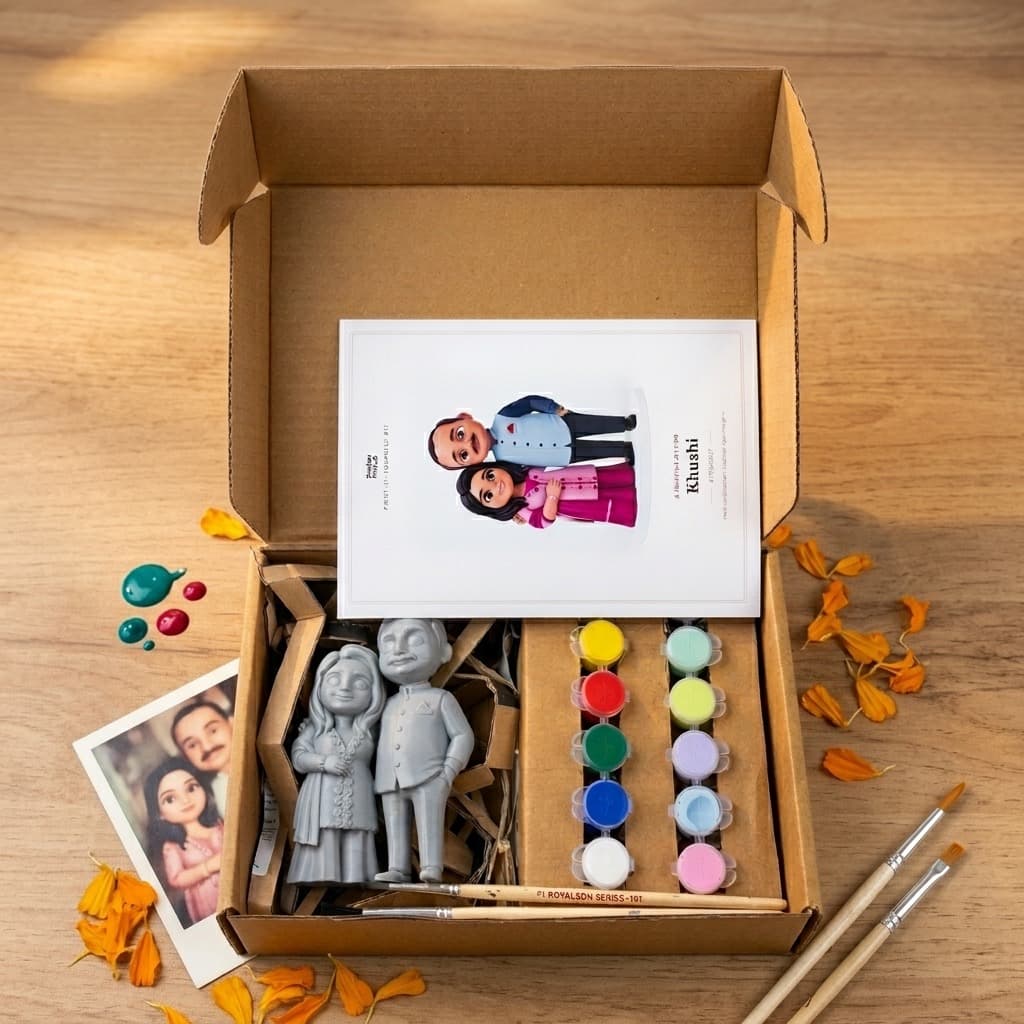
The kit arrives, you lay out the pots and the brushes, and then you sit down to actually paint and realise you need somewhere to rinse a brush and something to wipe it on. None of this is expensive or hard to find. It's just easy to forget until you're mid-session and have to get up.
One cup of water gets dirty fast, and a brush loaded from murky water is how a clean white shirt ends up with a faint grey tinge nobody meant to put there. Keep one cup for a rough first rinse and a second, cleaner one for the final rinse before you load fresh paint. Two old glasses or steel tumblers do the job. Change the water once it goes properly cloudy rather than pushing through to the end of the session on it.
You don't need an actual palette for one figure. A pot lid, a ceramic saucer, or even a scrap of cardboard works for blending two colours together or thinning paint with a drop of water before it touches the figurine. The only thing worth avoiding is paper: it soaks up the water in acrylic paint faster than plastic or ceramic does, which changes the consistency while you're trying to mix it.
A folded paper towel next to your water does two jobs: it blots excess water off a just-rinsed brush before it dilutes your next colour, and it catches the odd stray drop before it lands on the table instead of the figure. If you only remember one item from this whole list, make it this one. It solves more small accidents than any tool you'd have to buy.
Fresh paint smudges the moment a thumb lands on it, and the base or the feet are usually the last thing you paint precisely because your hand has been resting there the whole time. A small ball of reusable adhesive (Blu Tack or similar) stuck under the figure's base, or a bottle cap it can stand in, lets you turn the piece and paint the underside without your fingers ever meeting a wet colour. A cocktail stick or an old pencil works the same way for a smaller piece you'd otherwise have to hold directly.
The one thing actually worth buying
A small desk lamp you can angle down at the figure, not at yourself. Faces and fine trim are hard to judge under a single overhead bulb that leaves the table in its own shadow, and a ₹300 clip-on lamp fixes that better than any brush upgrade would.
That's genuinely the full list: two water containers, something to mix on, kitchen roll, and something to hold the piece by. Every one of them is either already in your kitchen or costs under a hundred rupees at a general store, which is worth knowing before anyone tries to sell you a full painting station for your first figure. Our own kits ship with the paint pre-mixed, numbered, and matched to a guide for that specific piece, so the brush and colour decisions are already made; the water cup and the kitchen roll are still on you, same as they would be with any kit.
No. A pot lid, a ceramic saucer, or a piece of scrap plastic works fine for mixing or thinning paint on a single figure. Just avoid paper, which soaks up water and changes how the paint behaves.
One cup gets dirty quickly, and a brush rinsed in murky water carries a faint tint into your next colour. A rough rinse in the first cup and a final rinse in a cleaner second cup keeps your colours true.
Stick a small ball of reusable adhesive under the base, or stand the figure in a bottle cap, so you can turn and hold it by something other than the wet paint itself.
Painting & Together-Time
A wrong colour or a smudged line on a half-painted figurine feels final. It almost never is. Here's how to actually rescue it.
4 min read
Painting & Together-Time
The parts nobody mentions beforehand: how long it really takes, what goes wrong halfway through, and why the crooked bits end up mattering.
4 min read
Painting & Together-Time
Every kit listing claims beginner-friendly. Here's a faster way to check: match it to why you're buying it, not the packaging.
3 min read