

How to Know If a Miniature Painting Kit Is Actually Right for You
3 min read
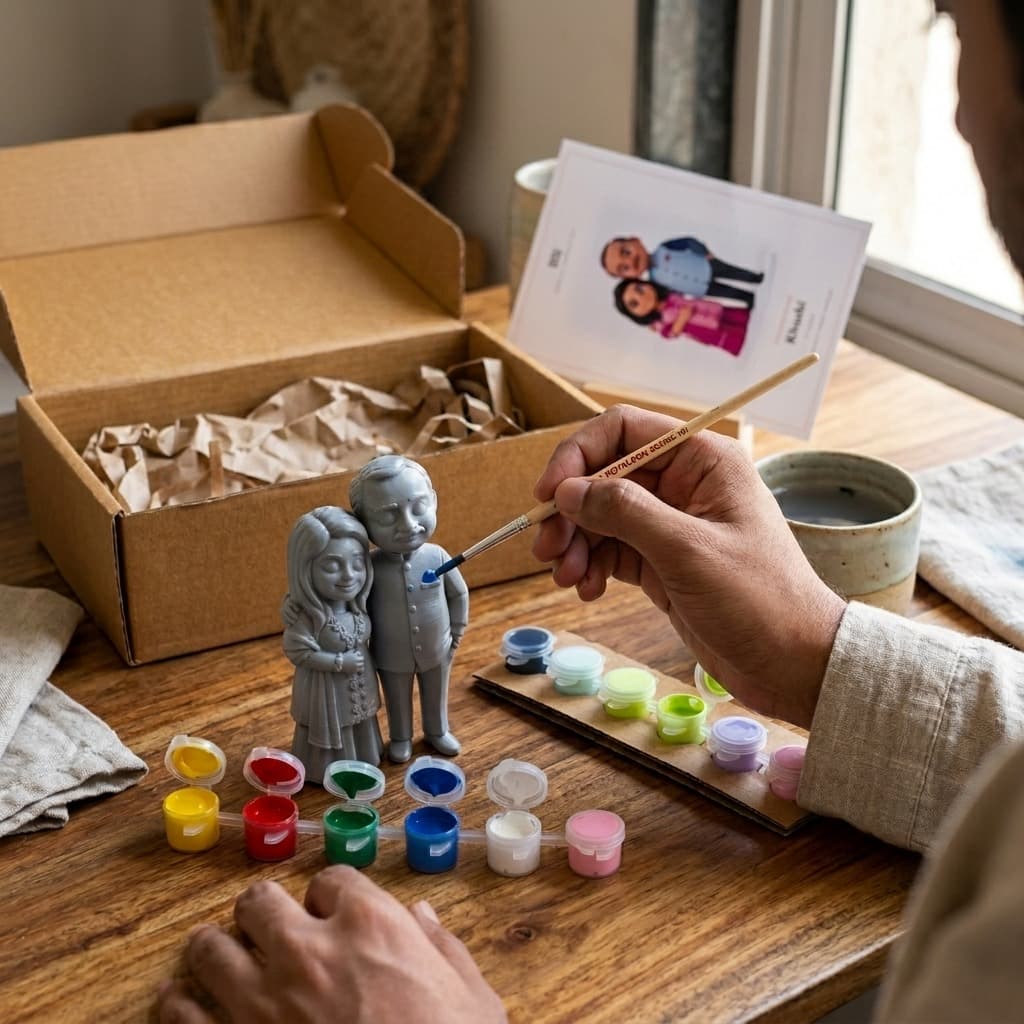
Every miniature painting kit listing says roughly the same thing: beginner-friendly, everything included, professional results. None of that tells you whether the specific kit in front of you fits what you're actually trying to do. A ₹400 hobby set and a kit built around one particular figure aren't competing versions of the same product; they solve different problems. Buying the wrong one for your situation, not a badly made one, is the mistake people usually end up unhappy about.
This decides more than anything else on the listing page. Three reasons cover most people:
A kit for yourself only has to suit your own patience. A kit for a child needs simpler colour choices, no metallics, and pots you're not worried about a five-year-old squeezing everywhere. A kit you're gifting to someone who won't plan their own colour scheme needs to arrive with that already decided, or it turns into a chore before they've picked up a brush. Read the room it's actually going into, not just the age range on the listing.
The one question worth asking first
What happens to this a week after it's finished: does it sit on a shelf, get gifted, or go back in a drawer half-painted? If you can't answer that yet, you're choosing on impulse. Answer it, then pick the kit.
Not usually. A ₹500-800 kit gives a first-timer everything needed to finish a figure: enough pots, a couple of brush sizes, some varnish. Spending more mainly buys a better blank and closer colour matching, not a skill a beginner is otherwise missing.
Depends on the goal. A generic kit is fine for learning technique on something disposable. A photo-matched kit is worth it the moment the point is a specific person or pet, since it removes the colour-matching guesswork entirely.
Count the pots and check for metallics or skin-tone blending in the description. Above 15 pots with layered shading instructions is built for someone past their first figure, not for one.
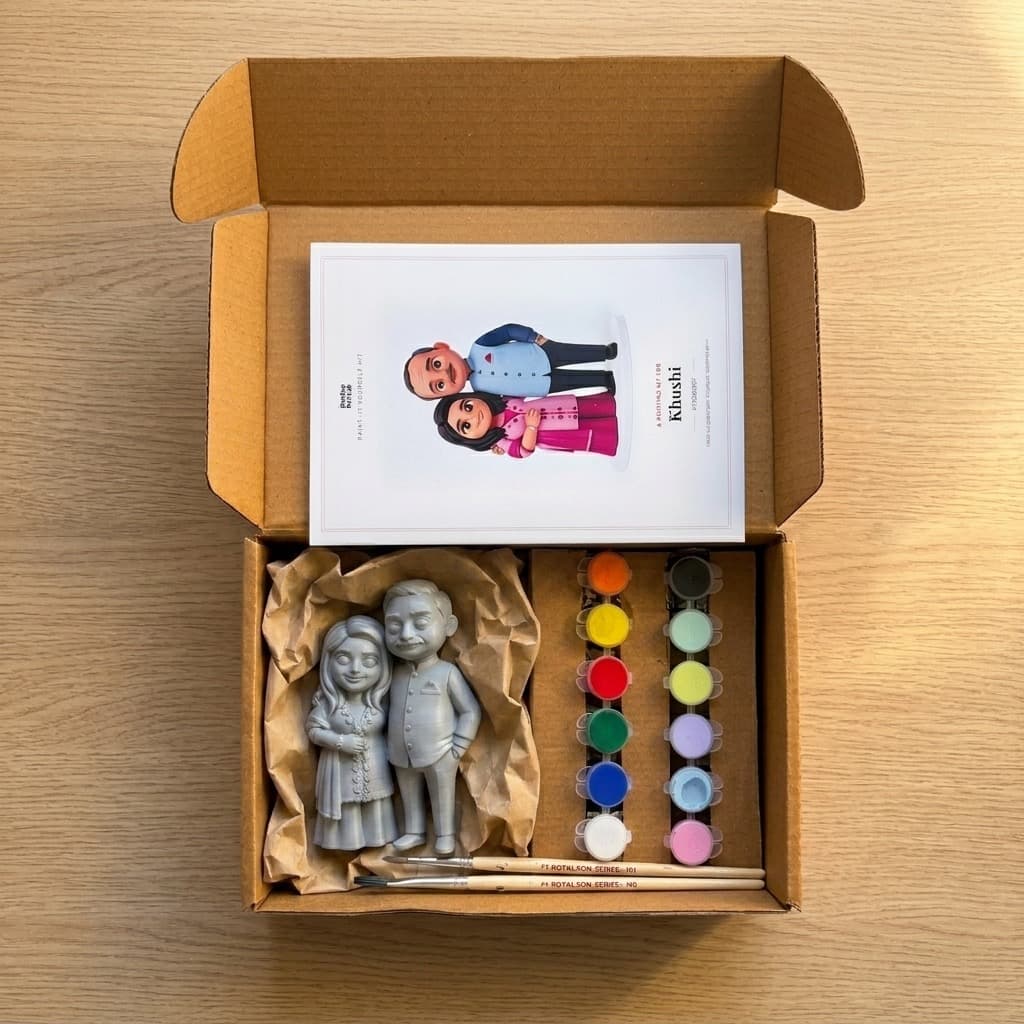
Painting & Together-Time
A wrong colour or a smudged line on a half-painted figurine feels final. It almost never is. Here's how to actually rescue it.
4 min read
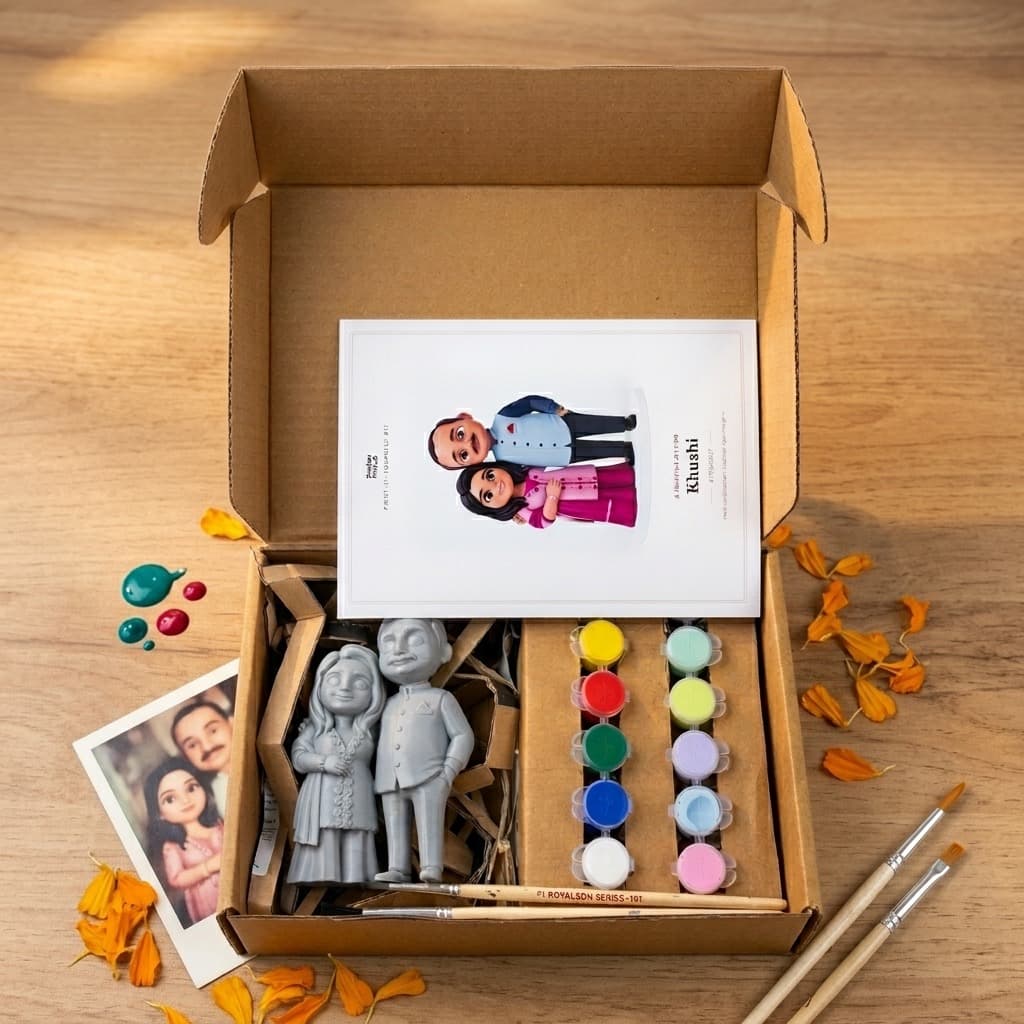
Painting & Together-Time
A kit gives you paint and brushes. Here's the short, cheap list of everyday things you'll also want on the table before you start.
4 min read
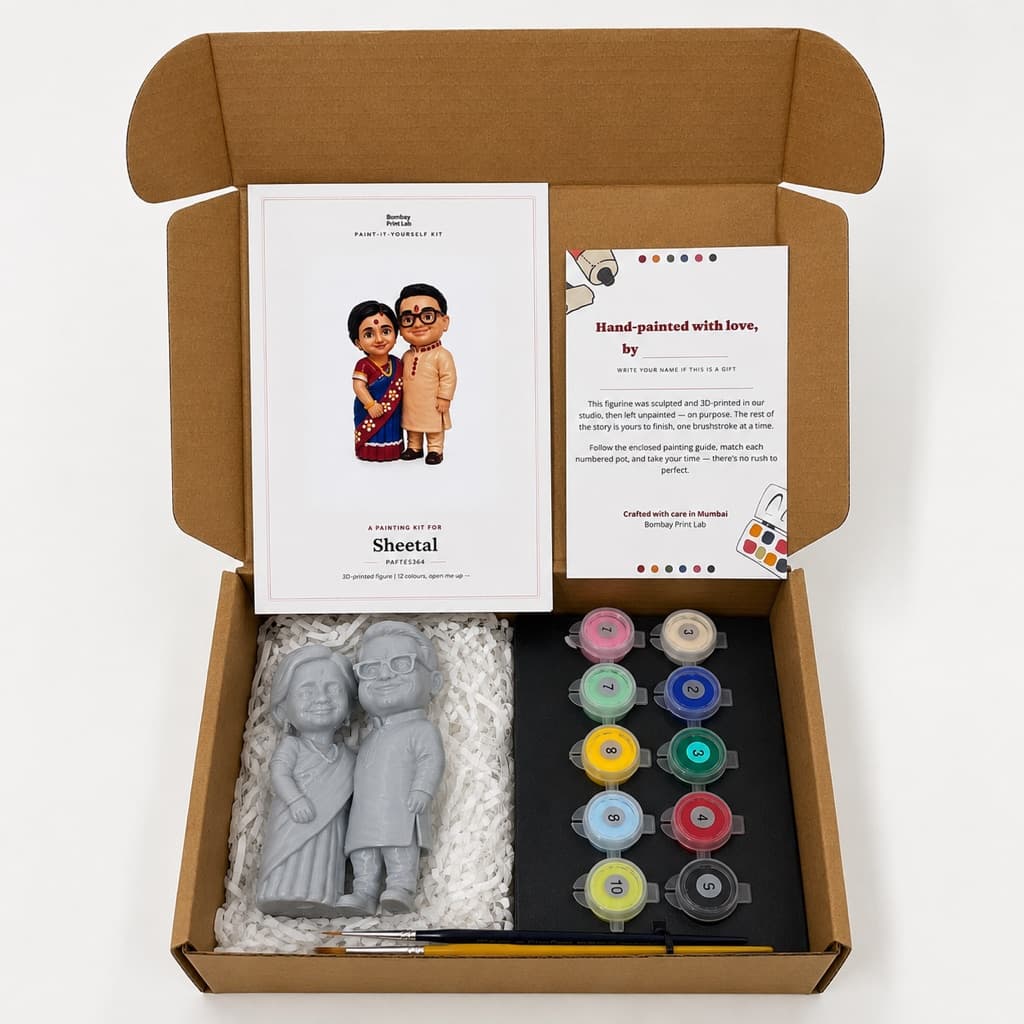
Painting & Together-Time
The parts nobody mentions beforehand: how long it really takes, what goes wrong halfway through, and why the crooked bits end up mattering.
4 min read