

What Painting a Collectible Figurine at Home Actually Feels Like
4 min read
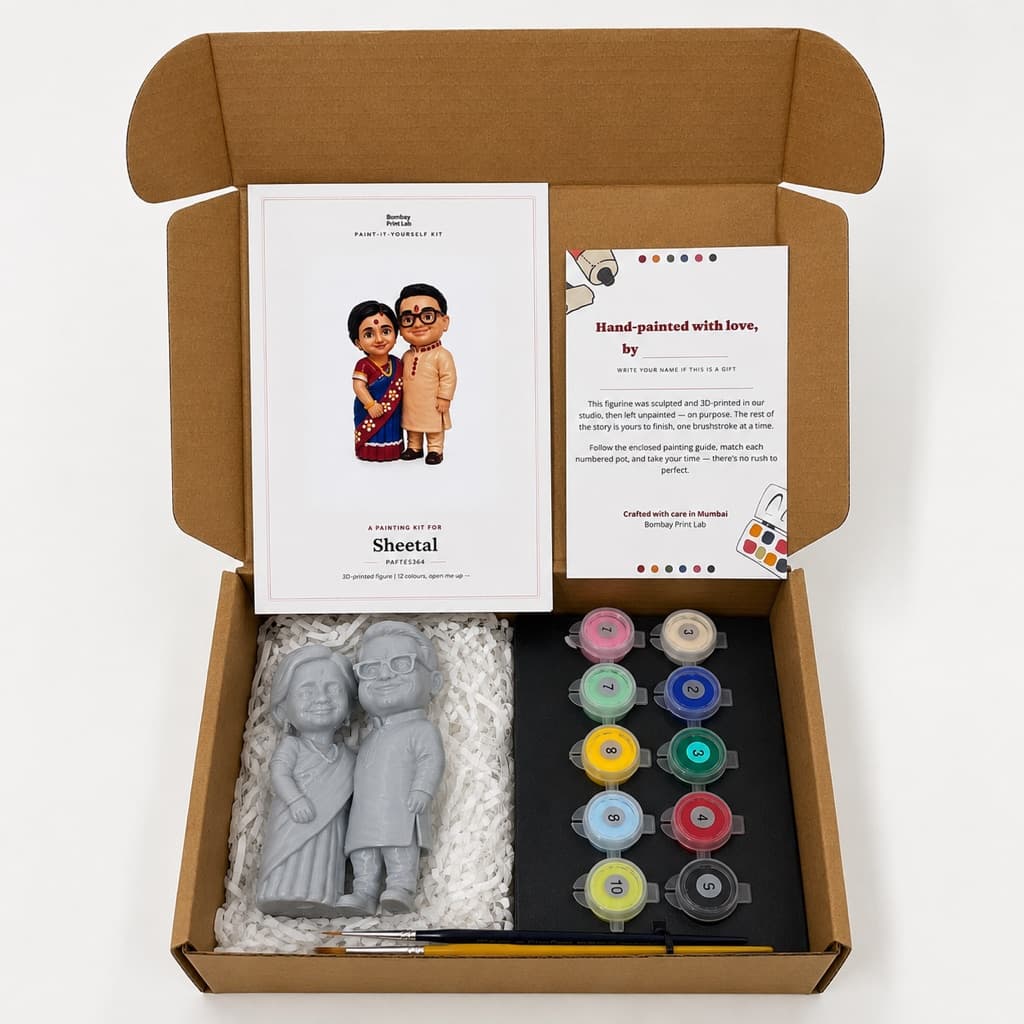
Most write-ups about painting a miniature at home jump straight to technique: thin your coats, work light to dark, don't overload the brush. Fair enough, but that's not what anyone's actually wondering the first time. What you want to know is simpler. What does an evening of this actually look like, and is it as fiddly and stressful as it sounds? Here's a straighter answer, based on what the first attempt actually tends to feel like rather than what it's supposed to look like on paper.
You open the box, and the figure is smaller and whiter than you pictured, sitting there next to a row of little numbered pots and a guide sheet. Most of that first stretch isn't brush-on-figure at all. It's matching pot numbers to the guide, figuring out which sticker means which patch of clothing or skin, and working out where to even start. If your figure came already primed white, like ours do, you can skip the priming step entirely and go straight to that matching-up phase. Nobody tells you this part exists, so it can feel like you're behind before you've painted a single stroke. You're not. It's just the part of the process that happens before the visible progress does.
A single coat of paint on a figure this size takes a few minutes. But one coat rarely covers cleanly, so you're doing two, sometimes three, with a short wait between each so the paint doesn't drag and lift the layer underneath. Add in switching colours, rinsing the brush, and re-checking the guide against the actual model in your hand, and a realistic first sitting runs 60 to 90 minutes for a single figure, not the 20-minute montage you might be picturing. That's not a bad thing. It's closer to the pace of writing a longhand letter than assembling furniture, and once you stop expecting it to move fast, the slowness stops feeling like a delay and starts feeling like the actual point.
A colour bleeds a millimetre past where it should. A brush stroke leaves a visible ridge. You realise ten minutes in that you started with the wrong pot for a patch that's already dry. This happens on basically every first figure, and it's rarely the disaster it feels like in the moment: a slightly wobbly line usually just needs a thin correcting stroke from the neighbouring colour once things have dried, and we've written up the fixes for the mistakes that come up most often if you want the specifics ahead of time. The thing worth knowing going in is that this moment is normal, not a sign you're doing it wrong.
It changes if there's someone next to you
Painting solo is calm and a little meditative. Painting with someone else, splitting pots and comparing progress, turns the same evening into something closer to a shared activity than a task. Worth trying both once and seeing which one you actually reach for again.
This is the part that surprises people most. Halfway through, with paint on your fingers and a slightly uneven patch you're not sure about, it can feel like the result is going to look amateurish. Then the last coat dries, the varnish goes on, and the small unevenness that felt glaring up close basically disappears at normal viewing distance. What's left is a figure that looks made, not manufactured, and that distinction is exactly what makes it worth keeping on a shelf rather than in a drawer.
If you're painting a figurine sculpted from your own photo, that gap between how it feels mid-session and how it looks finished lands harder, because you're not just finishing a craft project. You're watching a likeness of someone come together one coat at a time, which is really the whole reason to paint it yourself instead of having it arrive already done.
Depends on what you're painting. Bare resin or unfinished 3D-printed figures usually need a primer coat first so paint grips evenly. Kits that ship already primed white, including ours, skip that step entirely and go straight to colour.
For a single figure with a guided colour-by-number layout, yes. Budget 60 to 90 minutes if you want it done in one sitting, or split it across two shorter sessions if you'd rather not rush the drying time between coats.
A slightly imperfect first figure is the norm, not the exception, and most of what feels off up close reads as charming character at normal viewing distance. Any patch that genuinely bothers you can usually be touched up later with a thin correcting coat.
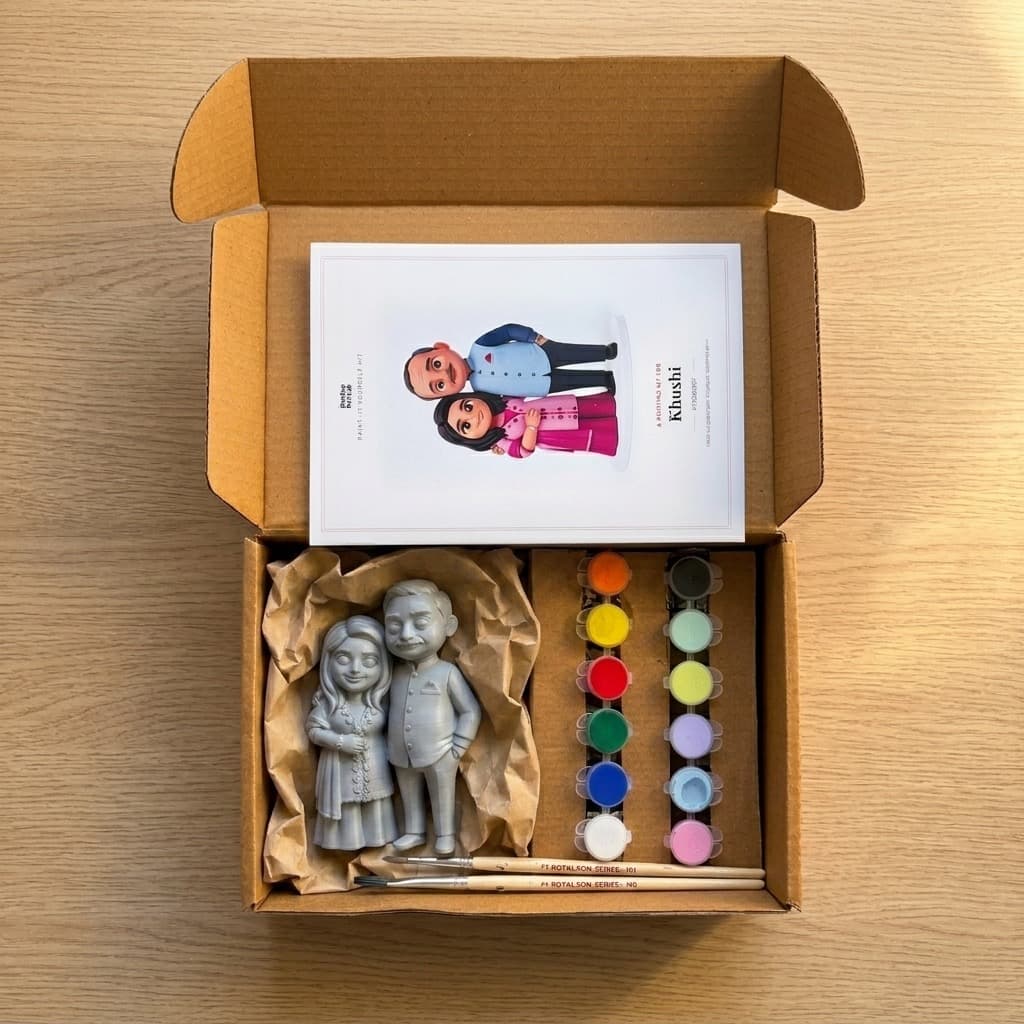
Painting & Together-Time
A wrong colour or a smudged line on a half-painted figurine feels final. It almost never is. Here's how to actually rescue it.
4 min read
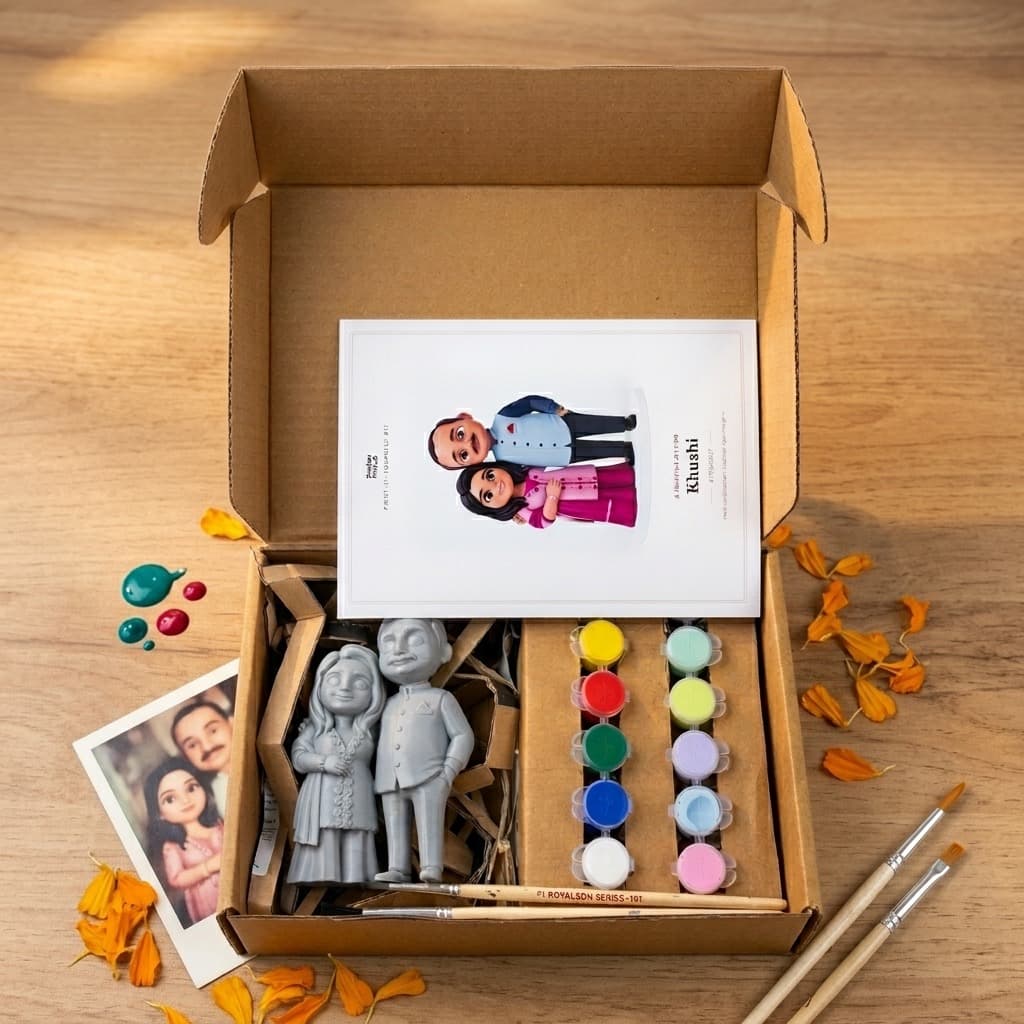
Painting & Together-Time
A kit gives you paint and brushes. Here's the short, cheap list of everyday things you'll also want on the table before you start.
4 min read
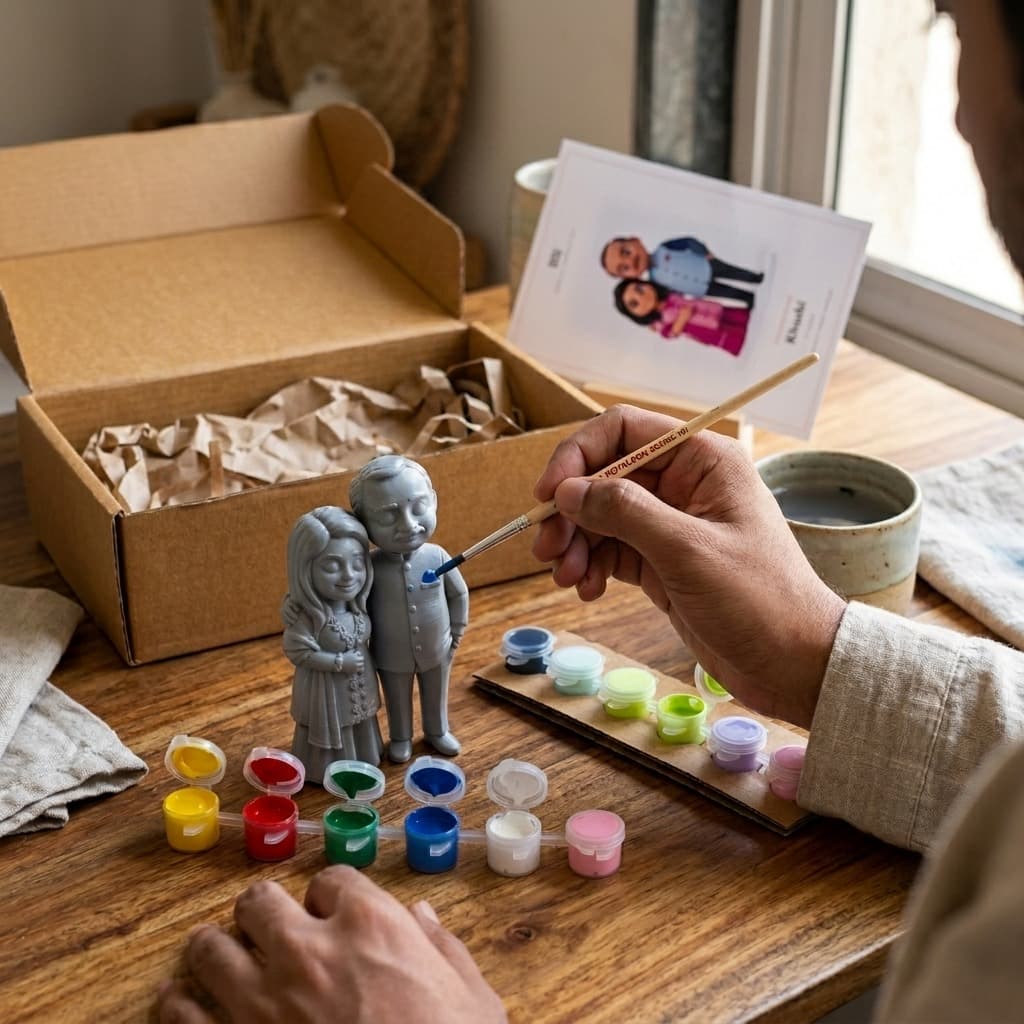
Painting & Together-Time
Every kit listing claims beginner-friendly. Here's a faster way to check: match it to why you're buying it, not the packaging.
3 min read