

How Long Does It Actually Take to Paint a Miniature Figurine?
4 min read
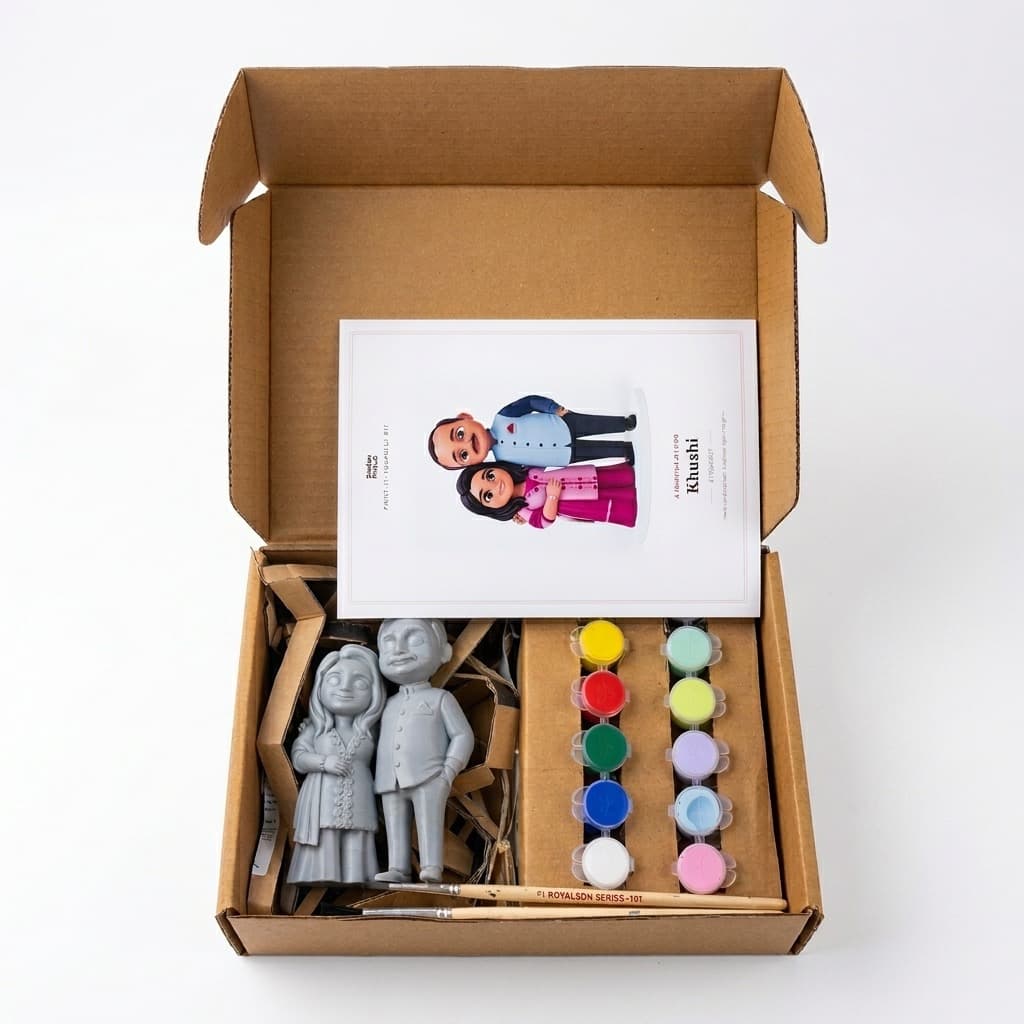
The short answer is 2 to 6 hours of actual painting for one small figure, and almost nobody does it in one sitting. The longer answer depends on how many colours you're working with, how careful you're being with the small details on the face and hands, and how much you fight the drying time instead of working around it. Here's what that actually breaks down to.
It's rarely the brushwork. A single colour zone, the actual stroke of paint going onto the figure, takes two to five minutes even for a beginner. What adds hours is everything around that: waiting 15-20 minutes for a coat to dry before you paint the colour next to it, going back for a second coat because the first one went on too thin, and the fifteen minutes you'll spend just deciding what colour something should be if you're mixing from scratch instead of working from a set palette.
That last one matters more than people expect. A kit with numbered paint pots, like ours, removes the deciding entirely: pot 4 goes here, pot 7 goes there, and you're not stopping mid-session to figure out whether a shirt should be navy or slate. Customers painting our figurines usually land in the lower half of the ranges above for exactly that reason. But the same logic applies if you're working from any reference photo: decide your colours before you start, not while the brush is already wet.
A simple figure genuinely fits into one relaxed evening, 90 minutes to 2 hours, if you're not stopping for anything but tea. Anything past that, split it. The natural break points are basecoat one evening, then detail and face the next, then varnish on a third day after everything's fully cured (24 hours minimum, not just dry-to-the-touch). Trying to force a detailed figure into one sitting is how people end up painting a wet edge and smudging a colour they finished twenty minutes earlier. Two shorter sessions almost always look better than one long, tired one.
If you're doing this with someone else
Painting together roughly doubles the zones covered per hour but doesn't halve the time, since you're both waiting on the same drying window. Budget the same total hours, just split across two people instead of squeezed into one rushed evening. It's less a shortcut than a better way to spend the evening.
A simple figure with 6-10 flat colour zones, yes, in about 90 minutes to 2 hours. Anything with more colours or fine detail is better split across two or three shorter sessions so you're not fighting drying time or your own patience by the end.
It's almost never the brushwork itself. The time goes into waiting for each coat to dry before painting the neighbouring colour, redoing thin first coats, and deciding what colour to use if you're not working from a set palette. All three add up faster than people plan for.
It removes the decision-making, which is a real chunk of the time. Numbered pots matched to specific zones mean you're not stopping to mix or guess a colour mid-session, so most of what's left is just the actual painting.
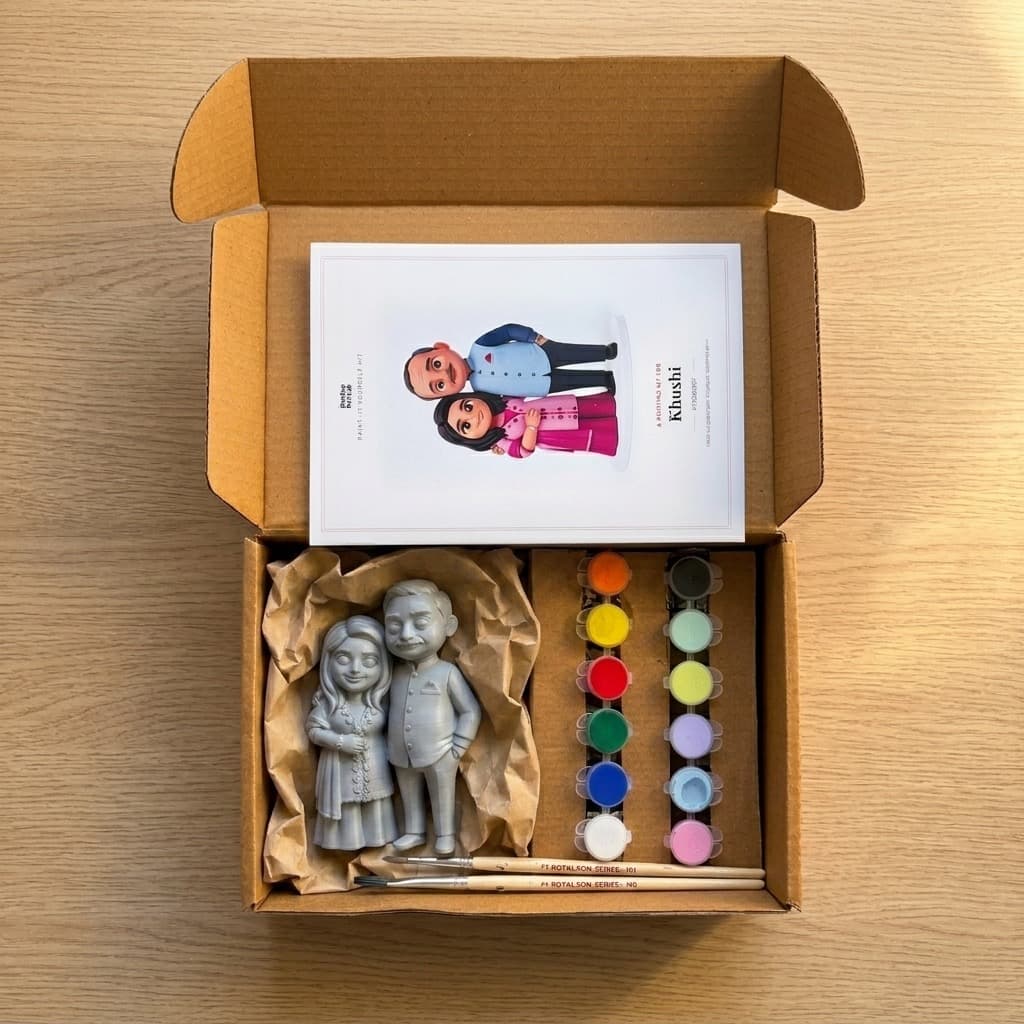
Painting & Together-Time
A wrong colour or a smudged line on a half-painted figurine feels final. It almost never is. Here's how to actually rescue it.
4 min read
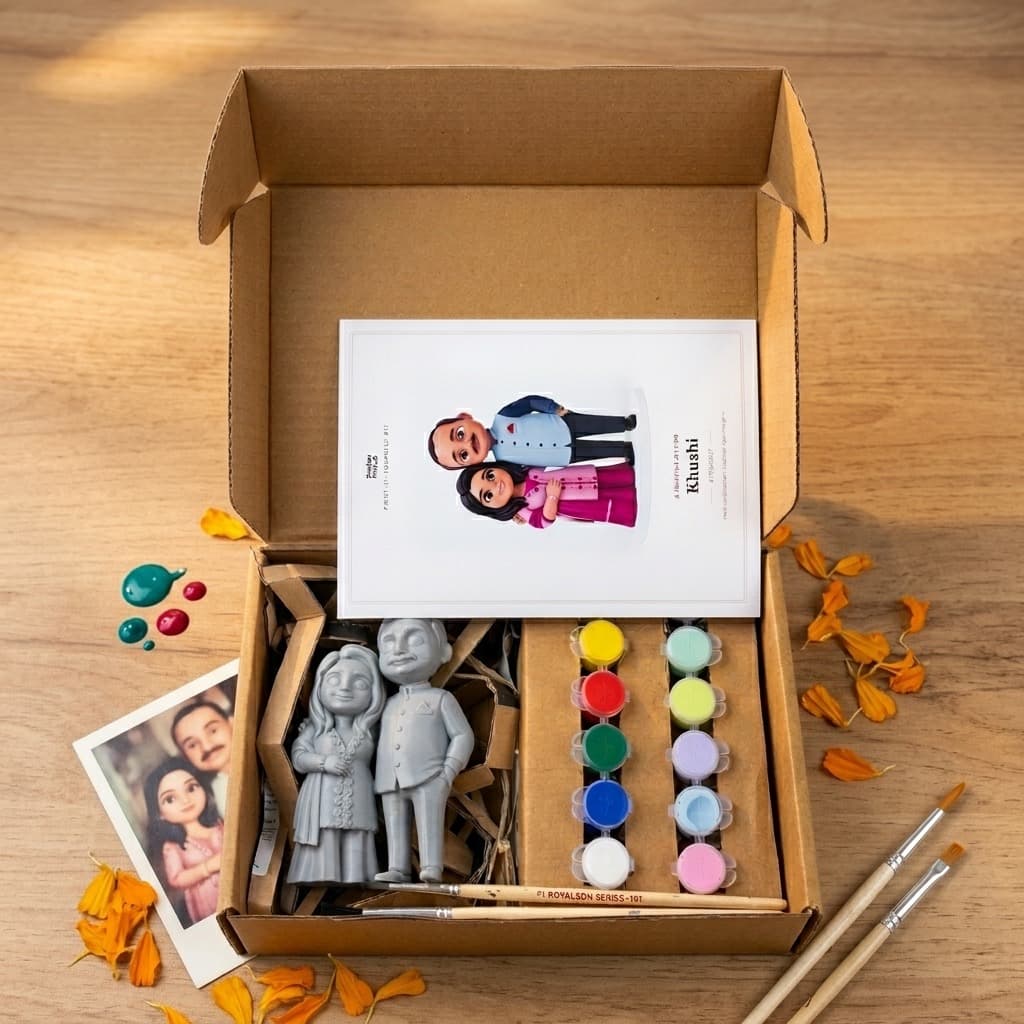
Painting & Together-Time
A kit gives you paint and brushes. Here's the short, cheap list of everyday things you'll also want on the table before you start.
4 min read
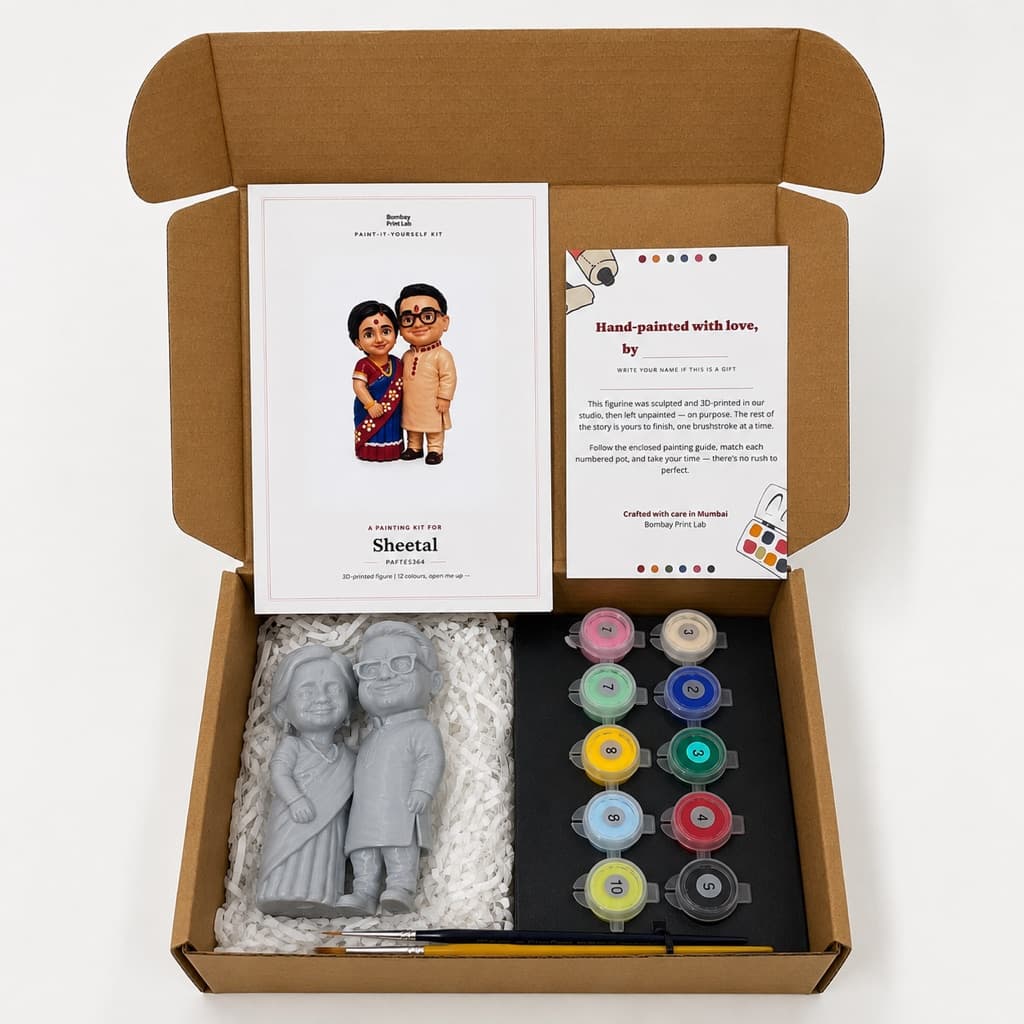
Painting & Together-Time
The parts nobody mentions beforehand: how long it really takes, what goes wrong halfway through, and why the crooked bits end up mattering.
4 min read