

How to Store Your Miniature Painting Supplies So Nothing Dries Out Between Sessions
4 min read
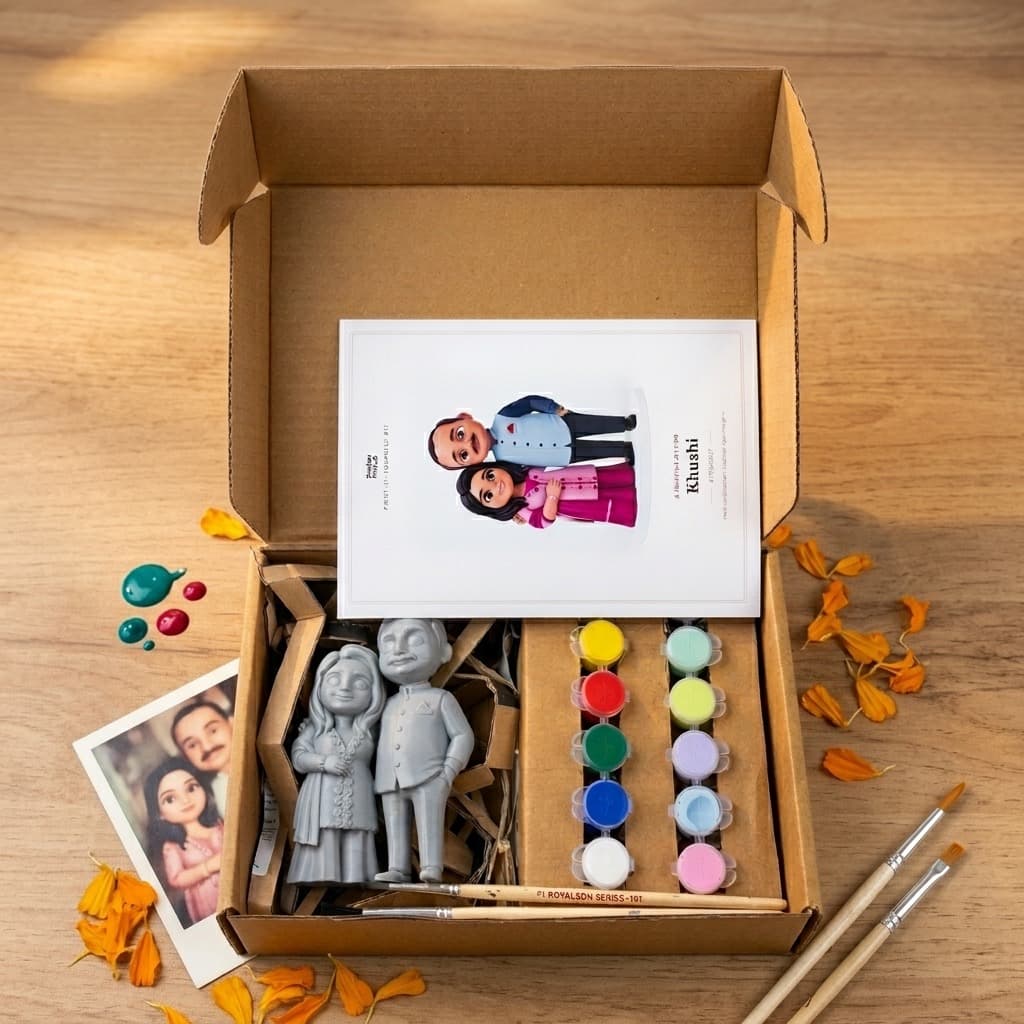
You paint for forty minutes on a Sunday evening, put everything back in the box, and life happens. Three weekends later you open it up and the paint pots have gone thick and cracked at the rim, the primer can rattles instead of hisses, and the figurine has a thin film of dust sitting in the wet-looking base coat. None of that is a supply-quality problem. It's a storage problem, and it's an easy one to fix once you know what actually dries out and why.
Aerosol cans are the supply people are most likely to get wrong, mostly because they look indestructible. Store them upright in a cool, dry spot, not a garage that swings hot in the afternoon; the propellant inside degrades faster than the label suggests once it's been through a few heat cycles. Shake the can properly before every use, even one you used yesterday, since the pigment settles fast. And put the cap back on fully after each spray. A half-clogged nozzle is almost always a cap that got left loose, not a can that's actually gone bad, so wipe it clean with a cloth rather than jabbing at it with a pin.
A half-painted piece left out in the open collects more dust than you'd think, and it shows the moment you seal it under varnish, as a faint gritty texture you can't sand off after the fact. Drop the spare box lid over it between sessions, or a clean bowl if the box is long gone. Keep it standing rather than lying on its side too; a wet base coat pressed against a surface for days leaves a flat mark that's genuinely hard to fix. And if there's a curious toddler or a cat in the house, put it somewhere higher than they can reach. That one is less about paint care and more about not starting over from a bare grey figurine.
Brushes deserve their own routine since acrylic dries hard in the bristles within about twenty minutes of a session ending. If that's the gap in your kit, we've written up the full brush cleaning and storage process separately. For everything else, a shallow tray or an old ice-cube tray keeps small tools and mixing dishes from rolling around and getting lost between sessions, which sounds trivial until you're missing the one dish you always mix skin tone in.
The five-minute end-of-session habit
Wipe every pot rim before closing it, cap the primer can properly, cover the figurine, and leave everything upright. That's the whole routine, and it's the difference between a kit that's still usable a month from now and one where half the pots are dried solid.
This is exactly why our own kits ship with small, individually lidded pots rather than one shared palette. Sealed properly after each use, a pot with a bit of paint left in it should still be workable weeks later, which matters when a figurine gets painted over two or three sittings instead of one long one.
Most small acrylic paint pots stay workable for several weeks to a couple of months if the lid seals fully and they're kept upright out of direct heat. What kills them early is almost always paint dried onto the rim, which stops the lid from closing all the way.
If it's just gone thick, yes: add water a few drops at a time and stir until it loosens back up. If the paint has hardened into a solid block, it's generally not worth saving, since the pigment underneath has usually separated from the binder by then.
Painting & Together-Time
A wrong colour or a smudged line on a half-painted figurine feels final. It almost never is. Here's how to actually rescue it.
4 min read
Painting & Together-Time
A kit gives you paint and brushes. Here's the short, cheap list of everyday things you'll also want on the table before you start.
4 min read
Painting & Together-Time
The parts nobody mentions beforehand: how long it really takes, what goes wrong halfway through, and why the crooked bits end up mattering.
4 min read