

Is Miniature Painting Hard to Learn? An Honest Answer
4 min read
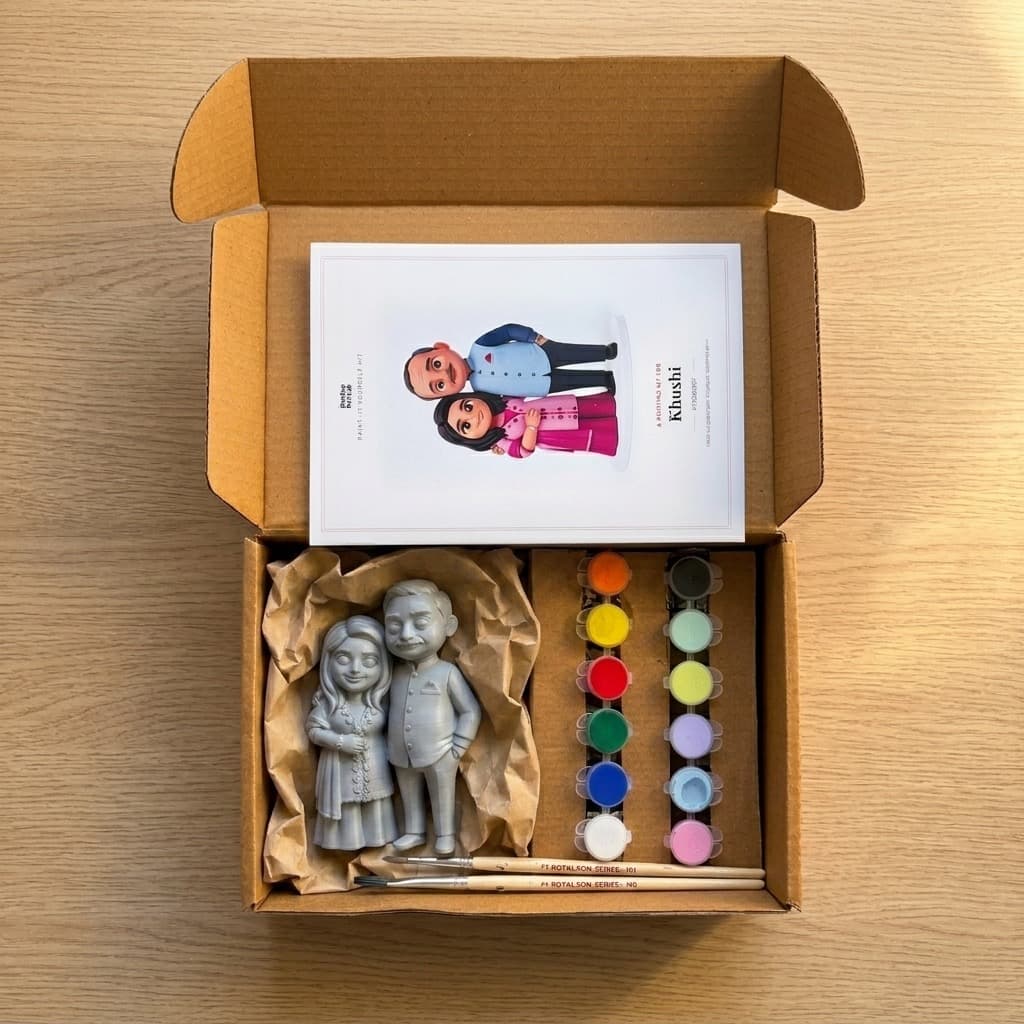
Someone hands you a small unpainted figure and a set of paints, and the first thought is usually the same: I'm going to mess this up. It looks delicate. The details look tiny. Everyone who's good at it seems to have been doing it for years. None of that is really true once you sit down and start, but the fear is common enough that it's worth answering honestly instead of just saying "anyone can do it" and moving on.
Painting a miniature is closer to colouring within lines than it is to fine art. You're not composing a painting from a blank canvas or mixing colours from pure intuition. You're filling in defined regions (a shirt, a face, a patch of hair) with a colour that's already been chosen for you, usually with a reference photo or a numbered guide telling you exactly where each one goes. The physical skill involved, loading a small brush and keeping paint inside a boundary, is genuinely learnable in one sitting. It's fiddly at first the same way any small hand-eye task is fiddly at first, not because it demands artistic talent you either have or don't.
If you want the fuller list, including the fixes for each one, we've written a separate piece on the most common mistakes first-timers make and how to undo them without starting over.
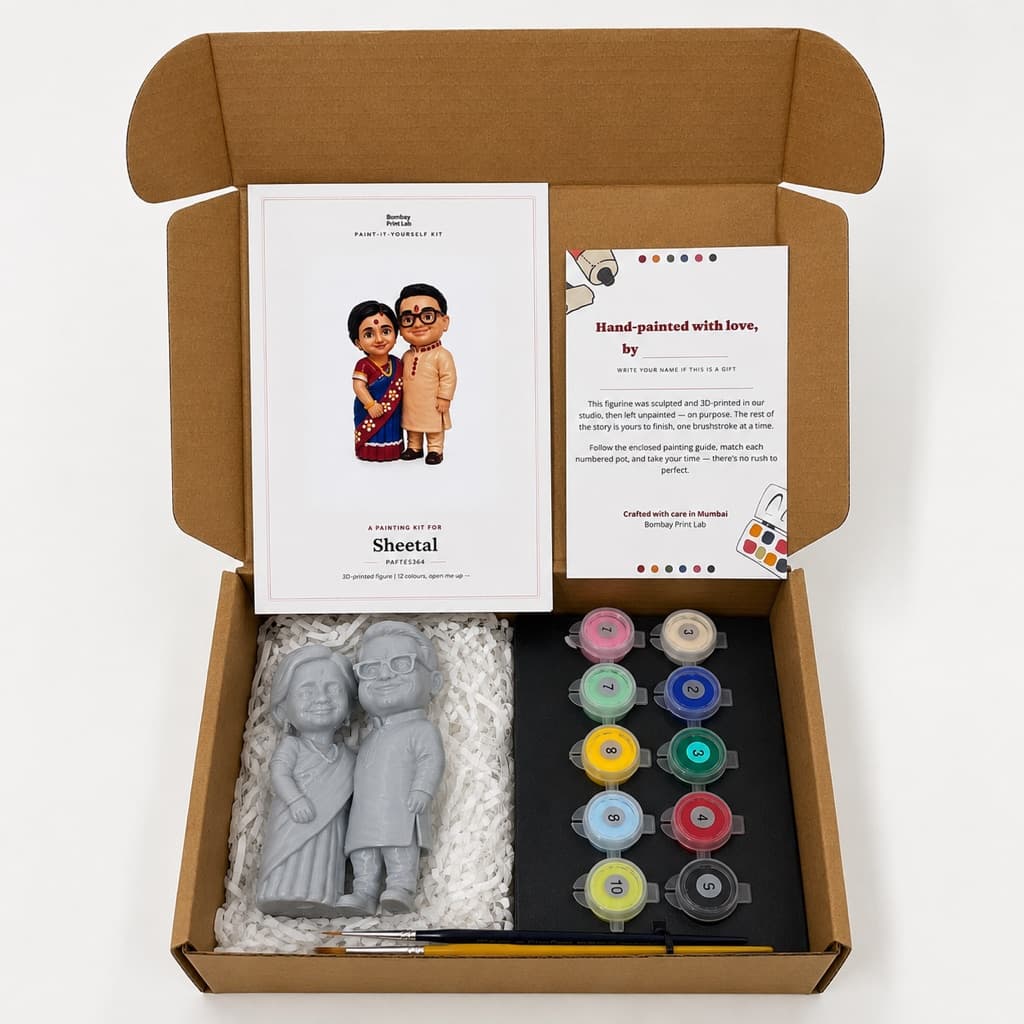
A lot of the anxiety around miniature painting is really anxiety about decisions: which colour, where, how much. Take those decisions away and the actual painting part gets a lot less intimidating. That's the entire idea behind a kit that ships with paints already numbered to match specific spots on the figure, ours included, so you're never guessing what colour the shirt is supposed to be, just following the numbers and filling them in. The numbers won't make your brush hand any steadier. They just remove the guessing over where to start, which is usually what stalls a beginner before the first coat even goes on.
The realistic first-attempt outcome
A first miniature usually has a visible brush stroke or two, an edge that isn't perfectly clean, and one colour that bled a touch where it shouldn't have. From normal shelf-viewing distance, none of that reads as a mistake so much as texture. It's a genuinely fine outcome for a first attempt.
Practising on something disposable first (an old terracotta pot, a wooden spoon, a cheap toy figure) for ten minutes is enough to get the brush-loading and drying-time feel down before you touch the piece that actually matters to you. It's a small step, but it turns the real attempt from a first try into a second one, which changes how it feels going in.
No. You're filling in already-defined regions with chosen colours, not composing or drawing anything from scratch. A steady-ish hand and a bit of patience matter far more than any prior art skill.
A perfectly acceptable first result usually happens on attempt one. Noticeable improvement, cleaner edges, better blending, tends to show up by the second or third figure, mostly because you stop rushing the drying time.
Impatience, more than anything technical. Painting over a coat before it's dry, or judging a base coat before the detail layers go on, causes more visible problems than an unsteady hand ever does.
Painting & Together-Time
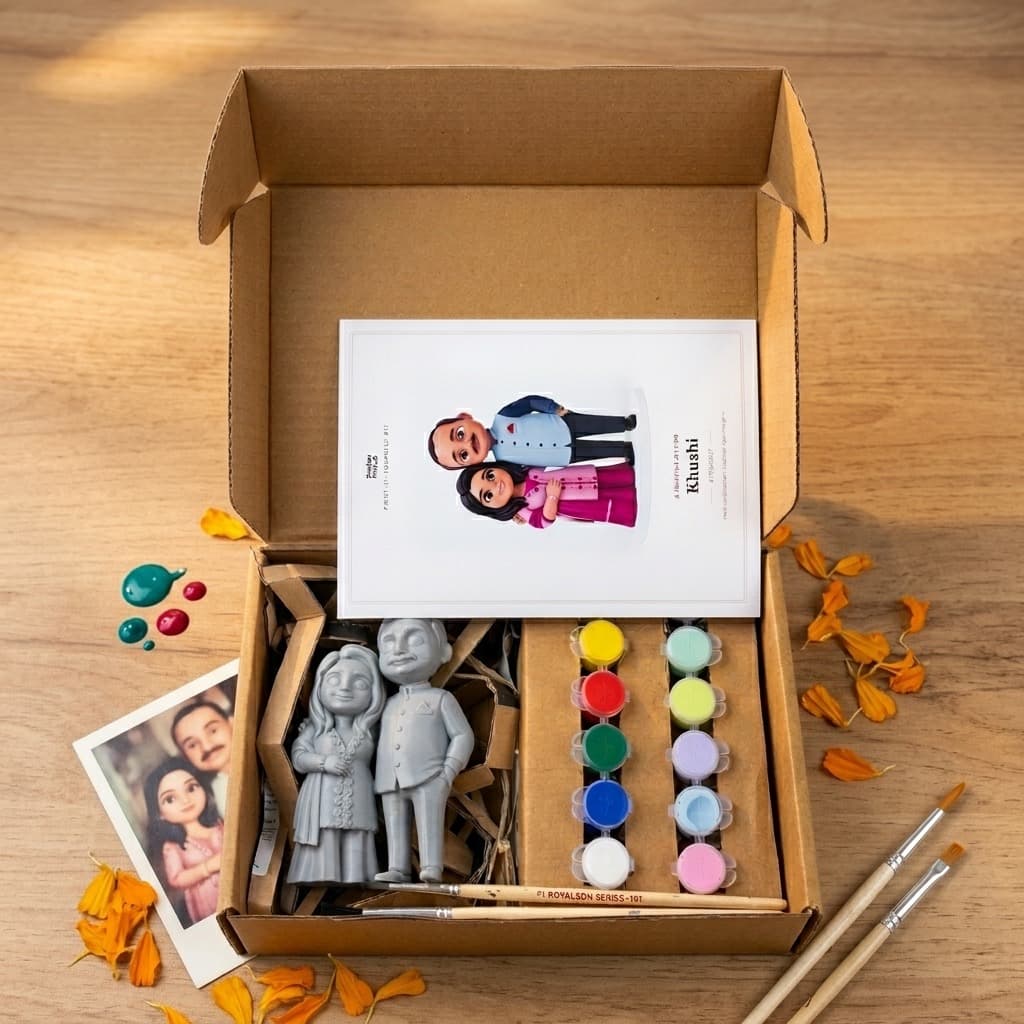
A wrong colour or a smudged line on a half-painted figurine feels final. It almost never is. Here's how to actually rescue it.
4 min read
Painting & Together-Time
A kit gives you paint and brushes. Here's the short, cheap list of everyday things you'll also want on the table before you start.
4 min read
Painting & Together-Time
The parts nobody mentions beforehand: how long it really takes, what goes wrong halfway through, and why the crooked bits end up mattering.
4 min read