

Painting Kit or Buy-It-Yourself Supplies? How to Actually Decide
4 min read
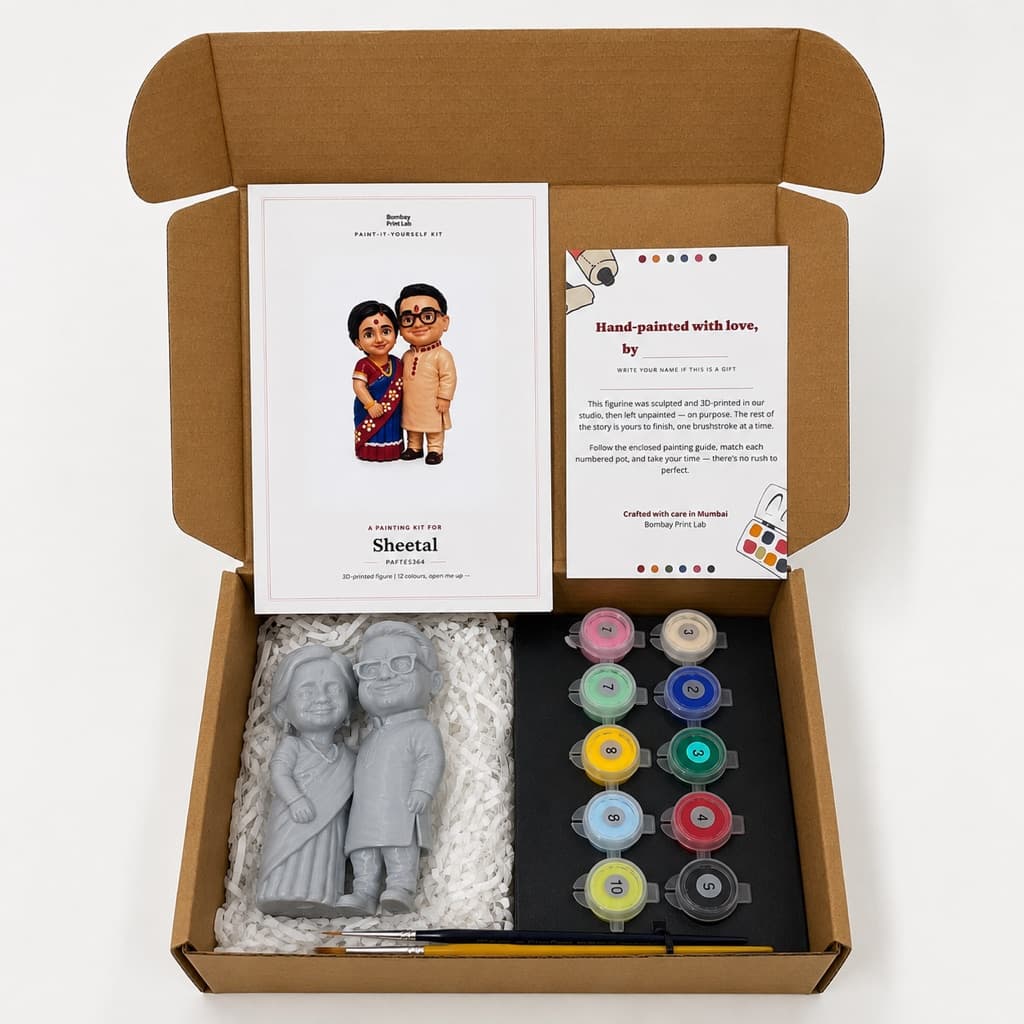
If you're about to paint your first miniature or figurine, you'll hit this fork almost immediately: buy a pre-boxed kit with the paint already included, or head to an art store (or Amazon) and put your own supply together. Both routes end with a painted piece on your shelf. Which one is actually the smarter call depends less on price than people assume, and more on how much guessing you're willing to do before you've even opened a pot.
The premium on a kit isn't really a markup on paint. It's someone else having already solved the part that trips up beginners most: which colours does this specific piece need, and in what order do you use them. A student acrylic set gives you a red, a yellow, a blue, white and black, and expects you to mix skin tone, hair colour, and clothing shade yourself, which is a genuinely different skill from applying paint neatly. A kit skips that step. The pots are pre-mixed to the figure, usually numbered, so you're never staring at a palette wondering if you've got the right shade of brown.
If you're painting exactly one figure and this isn't the start of a hobby, a kit removes a shopping trip you'd otherwise have to make just once, for a skill you're not planning to reuse. That matters more than it sounds: a lot of half-finished miniatures aren't abandoned because painting is hard, they're abandoned because the paint sat unopened for two weeks after the figure arrived and the momentum was gone by the time someone got around to buying supplies. It's also the better call as a gift. Handing someone a figure and a shopping list isn't really a gift; a box that's ready to open and paint the same evening is. Our own figurines work this way for exactly that reason: acrylic pots already matched to the specific piece, numbered in painting order, nothing extra to source.
One figure, or the start of a habit?
Painting a single piece as a gift or keepsake: a kit is worth the premium, since it removes the one step (colour matching) that stalls most first attempts. Planning to paint more than one thing over time: buy a small set separately. The ₹250-350 you spend on your own paint and brushes carries over to the next figure, and the next one after that.
Cost alone doesn't settle it either way, and it's worth being honest about that. A kit folds the paint cost into the order price, so it isn't automatically more expensive than buying a full student set just to use three colours from it. What you're really choosing between is convenience now versus reusable supply later, not a cheap option and an expensive one.
Not necessarily. A kit's paint is priced into the figure, matched to exactly what that piece needs. Buying separately usually means paying for a full 10-12 colour set to get the two or three shades a single figure actually uses, so the per-figure cost can land close either way.
Yes, that's a common middle ground. Kits usually include brushes sized for the figure's detail level, but if you already own ones you like, there's nothing stopping you from using them instead and keeping the kit's brushes as spares.
Buying a small set separately, since the leftover paint and brushes carry into the next figure. A kit makes more sense if this is a one-off piece, especially a gift, where you want it paintable the moment it arrives.
Painting & Together-Time
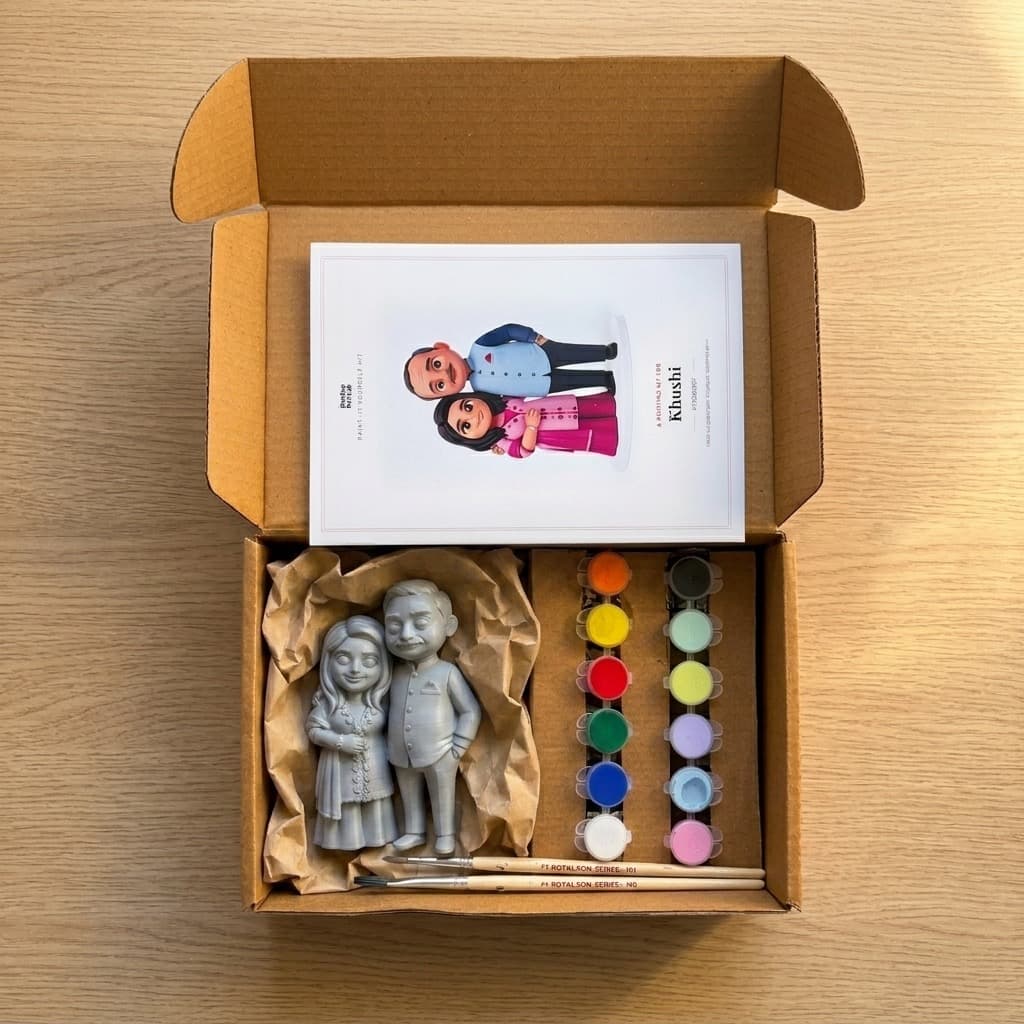
A wrong colour or a smudged line on a half-painted figurine feels final. It almost never is. Here's how to actually rescue it.
4 min read
Painting & Together-Time
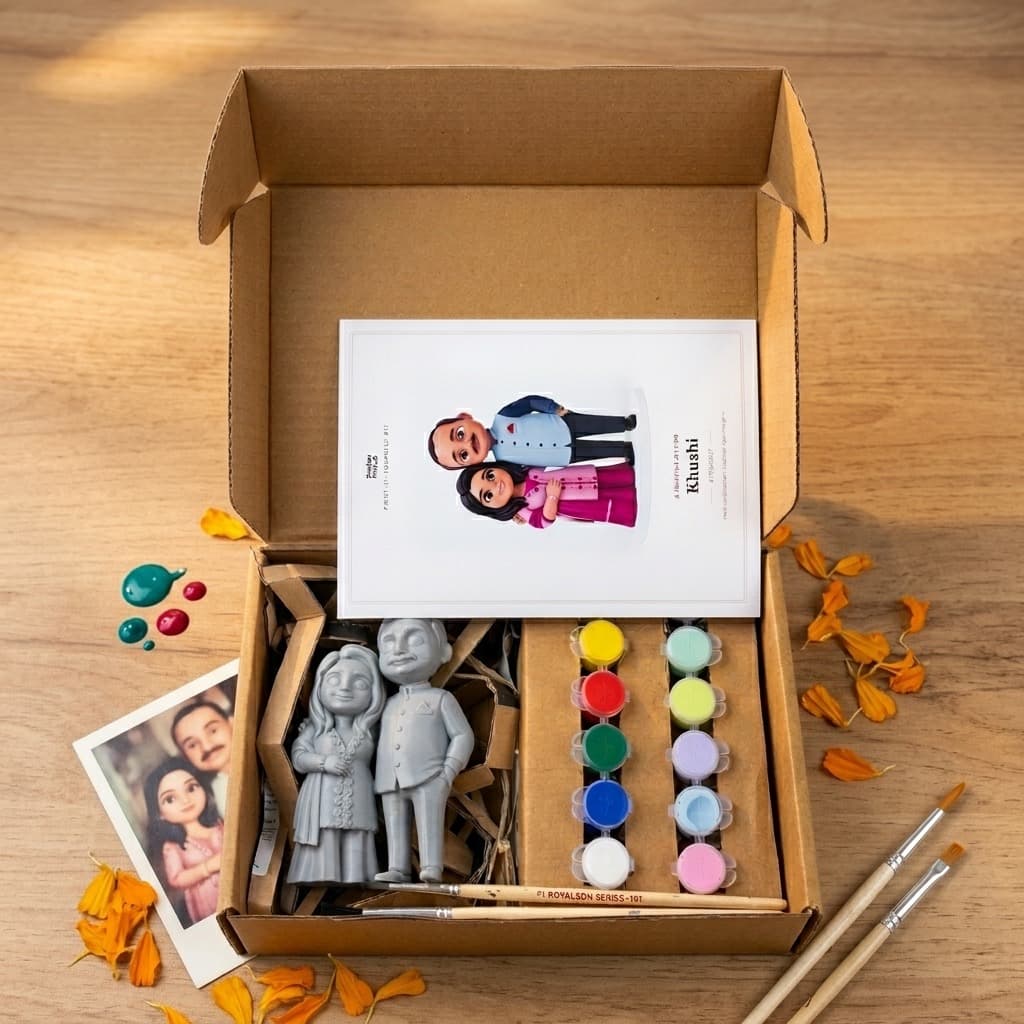
A kit gives you paint and brushes. Here's the short, cheap list of everyday things you'll also want on the table before you start.
4 min read
Painting & Together-Time
The parts nobody mentions beforehand: how long it really takes, what goes wrong halfway through, and why the crooked bits end up mattering.
4 min read