

How to Paint a Miniature When All You Have Is a Dining Table
4 min read
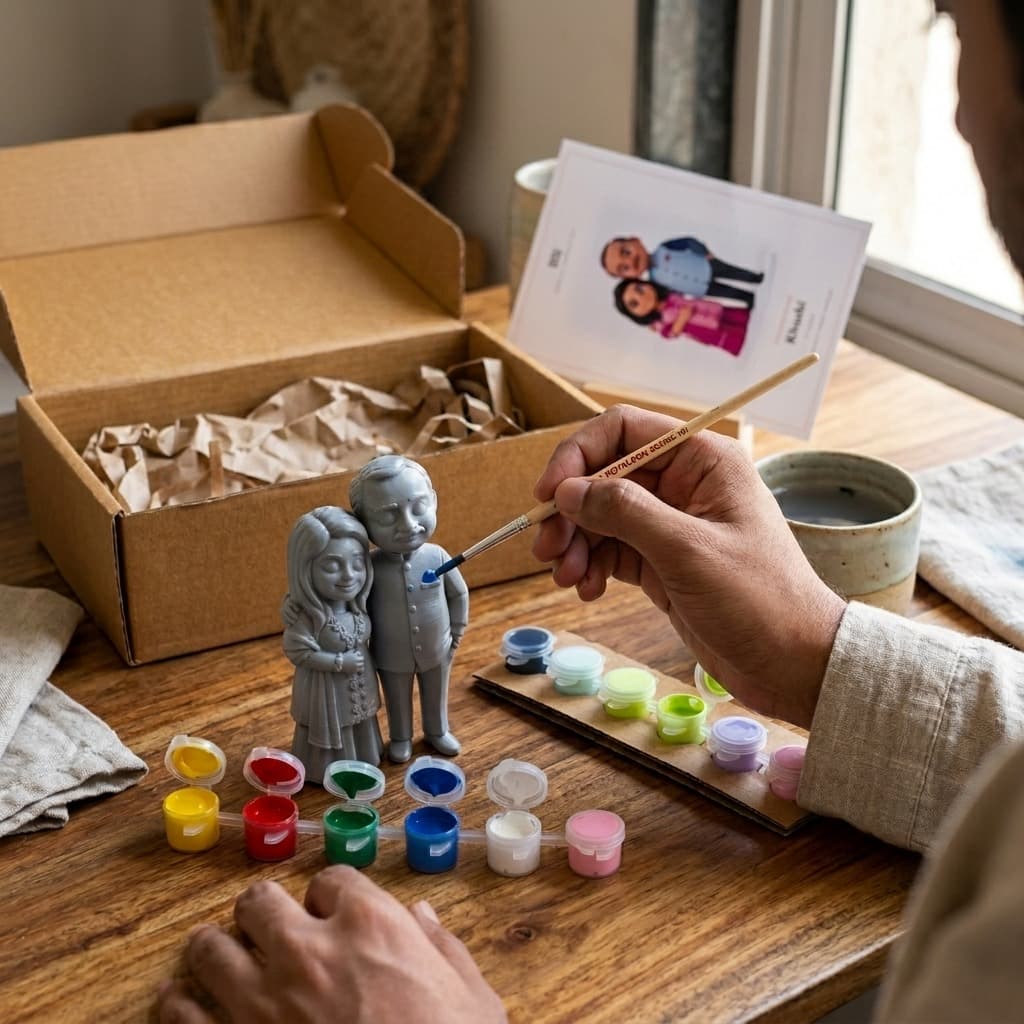
The question we hear right after "is this hard to paint" is usually "where am I even supposed to do this." Most homes in India don't have a spare room sitting empty for hobbies. What you actually have is a dining table that gets used for dinner in three hours, a shared bedroom, maybe a balcony that doubles as drying space for laundry. None of that rules out painting a miniature. It just means the setup has to be quick to put up and just as quick to take down.
You don't need a dedicated table, you need ten minutes to make whatever table you have safe to use. Lay down a plastic sheet, an old newspaper double layer, or a cut-open cereal box before anything else comes out. Acrylic paint wipes off skin easily but stains a wooden tabletop or a cloth runner if it sits for even an hour, so this step matters more than any tool you'll buy. If you're painting on a glass-top table, skip the newspaper (it slides) and use a rubber placemat instead.
This is the real constraint in a small home, more than square footage. Open paint pots left within reach of a toddler or a curious cat go one of two ways, both bad. Keep the lids you're not actively using pressed back on between colours rather than leaving a full tray open, and pick a spot to work that you can walk away from for two minutes without worrying. If your painting time genuinely only exists after everyone else is asleep, that's fine too; acrylic doesn't need daylight to look right, just decent lamp light and a bit of patience for coats to dry between sessions.
A figurine rarely gets finished in one sitting, which means storage matters as much as the setup itself. A shoebox with the lid on keeps paint pots, brushes and the reference photo together and dust-free between evenings. Rinse brushes properly before they go back in the box (a brush left wet with dried paint in its bristles is close to unusable by the third session), and stand them bristle-up in a mug rather than lying flat, where they can bend against the box lid. Label the box if it's going on a shelf with other things; a good painting kit already comes with numbered pots, so all you need to remember is which box has the figurine, not which pot goes where.
If the whole household shares one table
Paint in the last twenty minutes before you'd normally clear the table anyway, so packing away is just folding one extra step into a routine that already exists, instead of a separate chore you have to remember.
If you've ordered a figurine from us, this is exactly the setup our customers use: the kit ships in one box with numbered pots that go back in as easily as they came out, so a dining table works as well as any studio would.
No. A dining table, a coffee table, or even a tray on your lap works fine as long as the surface is protected first. The painting itself doesn't need more room than a dinner plate.
A plastic sheet or a double layer of newspaper under everything, laid down before you open a single pot, catches almost every accident. Wipe fresh drips immediately; dried acrylic is much harder to lift off wood or cloth.
A closed shoebox keeps the figure, paints, and brushes together and out of reach of kids or pets. Rinse brushes fully before storing them, and let the figure sit somewhere it won't get knocked for at least a few hours after the last coat.
Painting & Together-Time
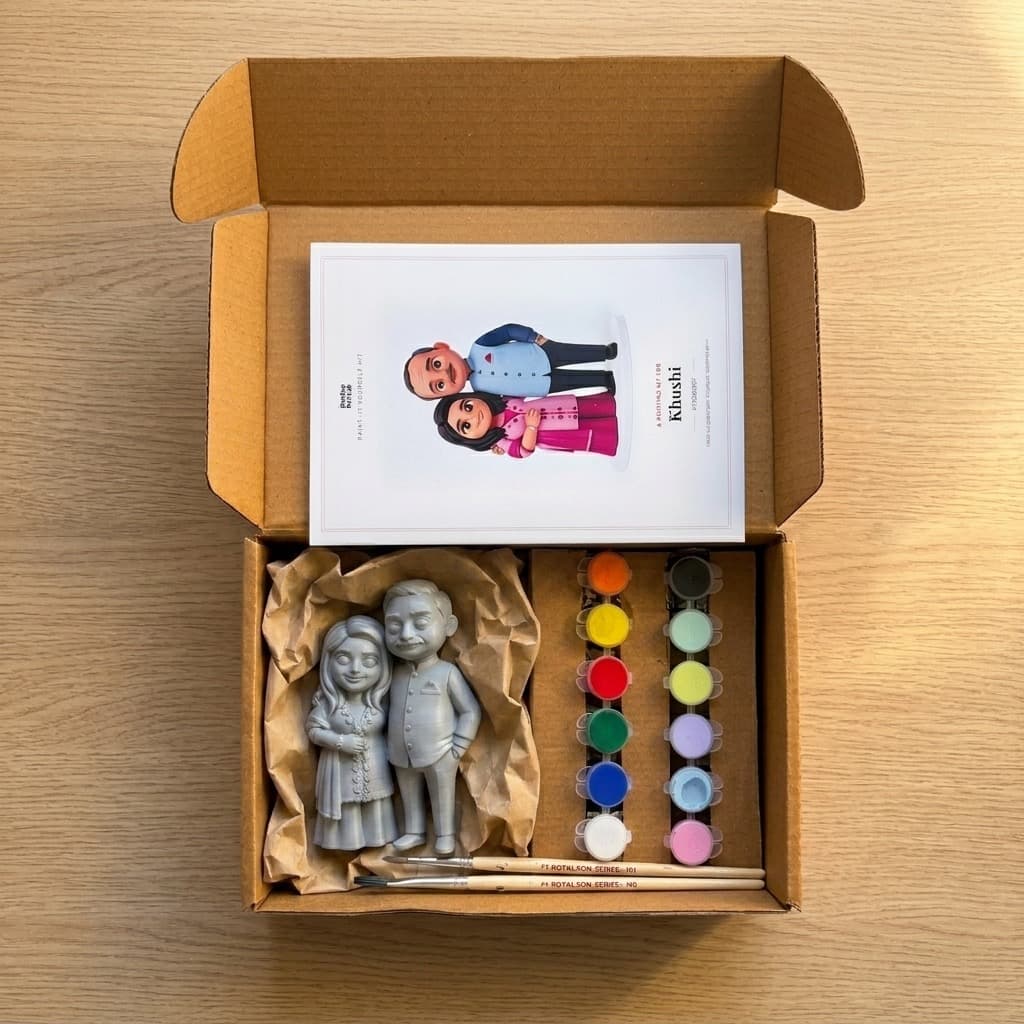
A wrong colour or a smudged line on a half-painted figurine feels final. It almost never is. Here's how to actually rescue it.
4 min read

Painting & Together-Time
A kit gives you paint and brushes. Here's the short, cheap list of everyday things you'll also want on the table before you start.
4 min read
Painting & Together-Time
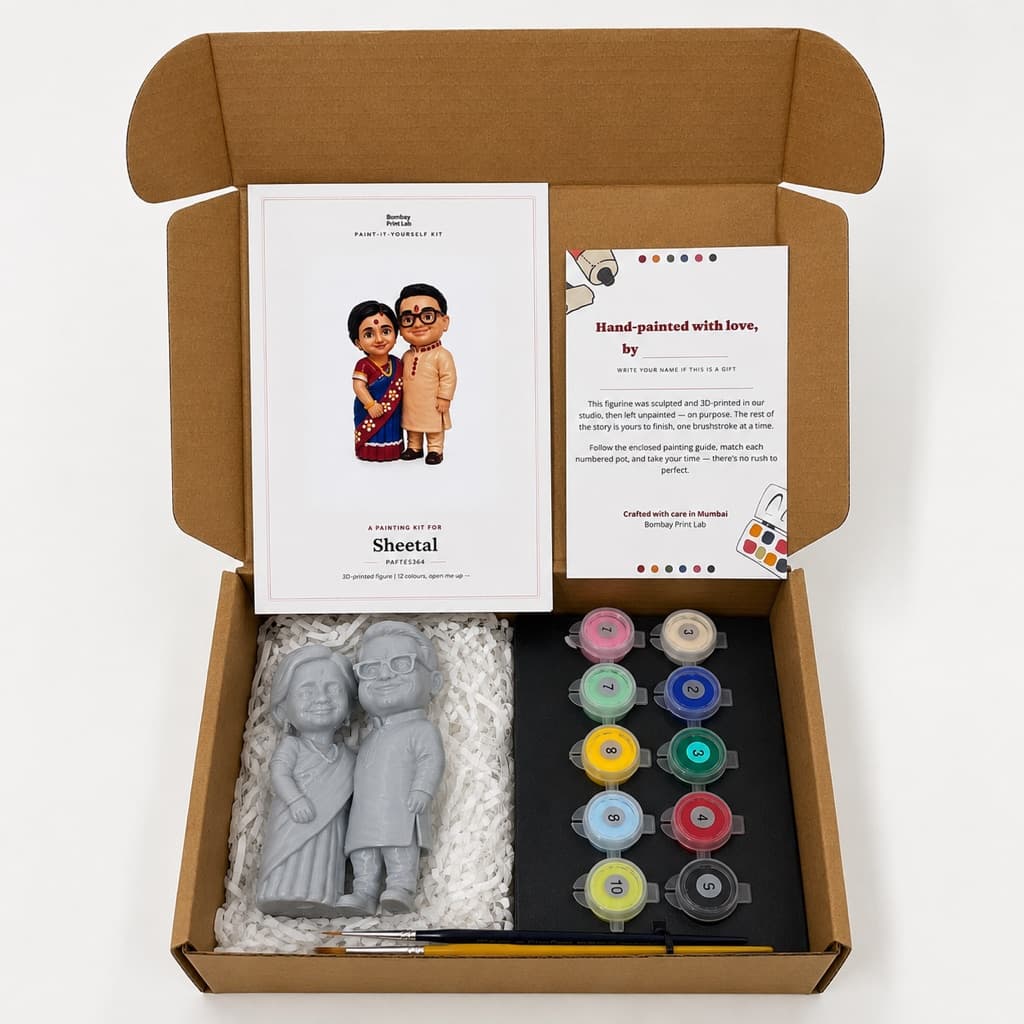
The parts nobody mentions beforehand: how long it really takes, what goes wrong halfway through, and why the crooked bits end up mattering.
4 min read