

What Paint Colours Do You Actually Need for a First Miniature?
3 min read
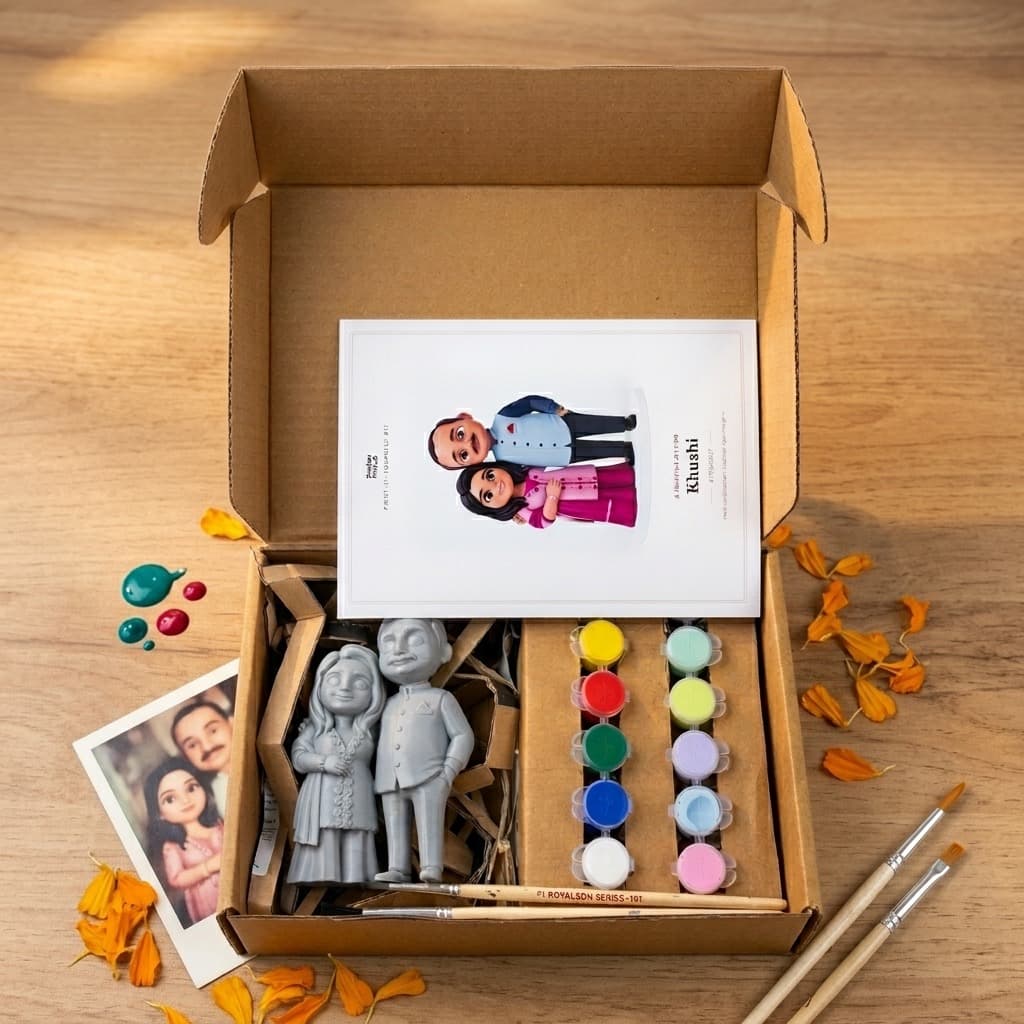
Open a beginner painting set and the first instinct is to worry you're missing a colour. You're usually not. A single figure, painted once, draws from a much shorter list than the pot count on the box suggests, and most of what's "extra" in a bigger set is there to make the packaging look generous, not because you'll reach for it.
That's it for the true essentials. Five pots, and a single figure with a shirt, skin, hair, and shoes is fully covered from just those, mixed on a plate as you go.
Skin is the one area where mixing from scratch every time gets tedious, since it's a small, specific adjustment (a touch of red and yellow into white) that's easy to get slightly wrong under kitchen lighting. A pre-mixed flesh tone or two, light and medium, saves the guesswork and is the one addition worth paying for beyond the core five.
None of this means a bigger set is a bad buy. It just means you shouldn't judge a starter kit by pot count alone, and you shouldn't feel behind if your own set only has eight or ten. For more on telling a genuinely useful kit from one padded out with filler, see what's actually inside a good miniature painting kit.
A quick way to check a set before buying
Look at the reference photo on the box or listing. Count the distinct colours you can actually see on the figure; that's your real minimum. If the set has three or four times that many pots, the extra ones are mostly there for shelf appeal.
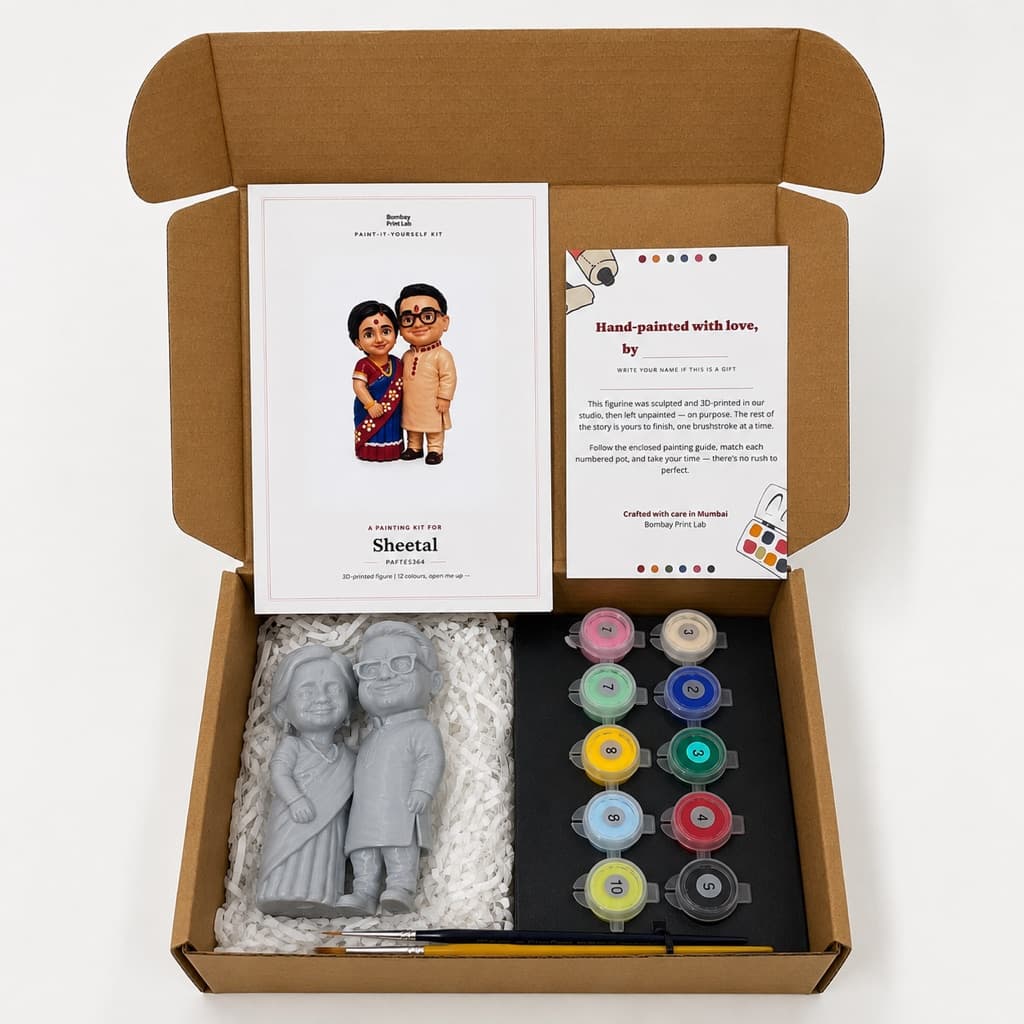
This is also where a kit built around one specific figure has an edge over a generic set. Ours ships with paint already mixed and numbered to your figure's actual colours, including the skin tone, so there's no guessing which of twenty-four pots you'll need and which you won't.
Five, at minimum: white, black, red, yellow, and blue. Nearly every other shade on a figure, including skin tones, comes from mixing those five in different ratios.
You can mix it from red, yellow, and white, but a pre-mixed flesh tone saves time and avoids the trial and error of matching it under home lighting. Worth the one extra pot if you're painting a person.
Not usually. A 24-colour set mostly duplicates shades you could mix yourself, and a chunk of it, metallics and neons especially, often goes untouched on a first figure.
Painting & Together-Time
A wrong colour or a smudged line on a half-painted figurine feels final. It almost never is. Here's how to actually rescue it.
4 min read
Painting & Together-Time
A kit gives you paint and brushes. Here's the short, cheap list of everyday things you'll also want on the table before you start.
4 min read
Painting & Together-Time
The parts nobody mentions beforehand: how long it really takes, what goes wrong halfway through, and why the crooked bits end up mattering.
4 min read